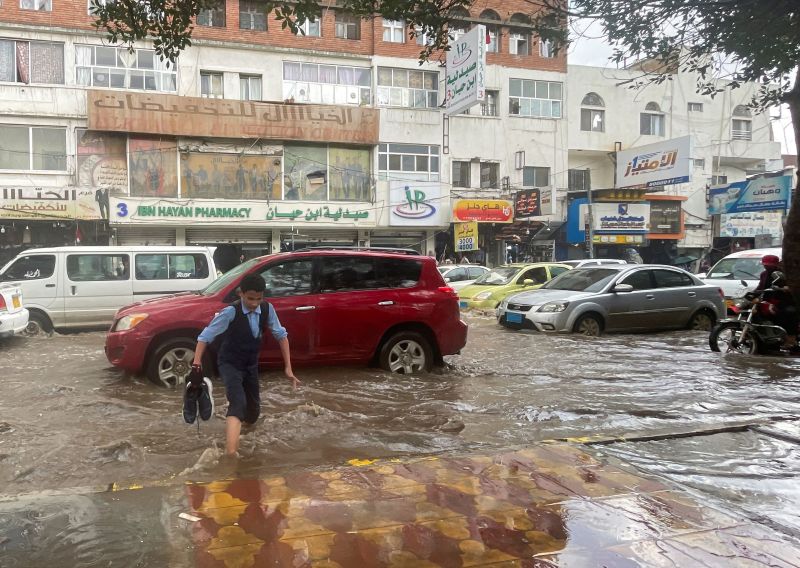
Recent heavy rains accompanied by strong winds in Yemen have caused the destruction of camps and the displacement of many, exacerbating their suffering amid harsh humanitarian conditions. Local resident Hadi Ali (47 years old) from the Sudhayhat camp in Al-Jawf governorate recounts his ordeal, stating: "The floods destroyed everything we owned, and fortunately, we are still alive, but we suddenly found ourselves exposed to the elements due to the collapse of our tents."
Al-Jawf governorate has been significantly affected, with camp official Hassan Al-Asdal reporting that the rains have completely affected 508 families and partially affected 1,449 families. Over 3,500 displaced families live in the camp, reflecting the scale of the humanitarian disaster facing the region.
Event Details
The floods have caused severe damage, destroying food supplies and water tanks, leaving many families without shelter, medicine, or water. This disaster has also resulted in ten injuries, highlighting the urgent need for humanitarian assistance.
The United Nations Population Fund has warned that these floods have led to fatalities and family displacements, noting that humanitarian needs are increasing as conditions worsen. Hadi Ali has been displaced since 2015, moving between several areas due to conflicts and natural disasters.
Background & Context
Yemen is considered one of the most affected countries by climate change, with the United Nations warning that climate changes represent one of the greatest challenges facing the country. In 2022, floods affected over 460,000 people, reflecting the worsening displacement crisis in the country.
The suffering of displaced individuals continues across various governorates, with Marib also experiencing harsh conditions due to floods, adding an additional burden on over two million displaced people. The director general of the Executive Unit for the Management of Displaced Persons Camps in Marib, Saif Mathna, confirmed that the floods have affected 2,090 displaced families in the governorate.
Impact & Consequences
These natural disasters exacerbate humanitarian conditions, as displaced individuals suffer from severe shortages of aid. The continued use of emergency tents, which do not withstand harsh weather conditions, increases their risk of flooding.
Humanitarian affairs researcher Dr. Mohammed Ahmed Al-Mazab pointed out that the camps have turned into "death traps" due to poor planning and the choice of unsuitable locations. Temporary solutions are insufficient, and there must be a shift towards building permanent housing that provides necessary protection for the displaced.
Regional Significance
The displacement crisis in Yemen transcends the country's borders, reflecting the humanitarian challenges faced by many Arab countries. With the increase in natural disasters, it becomes essential to enhance regional and international cooperation to provide necessary support to those affected.
In conclusion, the suffering of displaced individuals in Yemen requires radical solutions that go beyond emergency responses to provide safe and sustainable shelter to protect them from climate fluctuations.