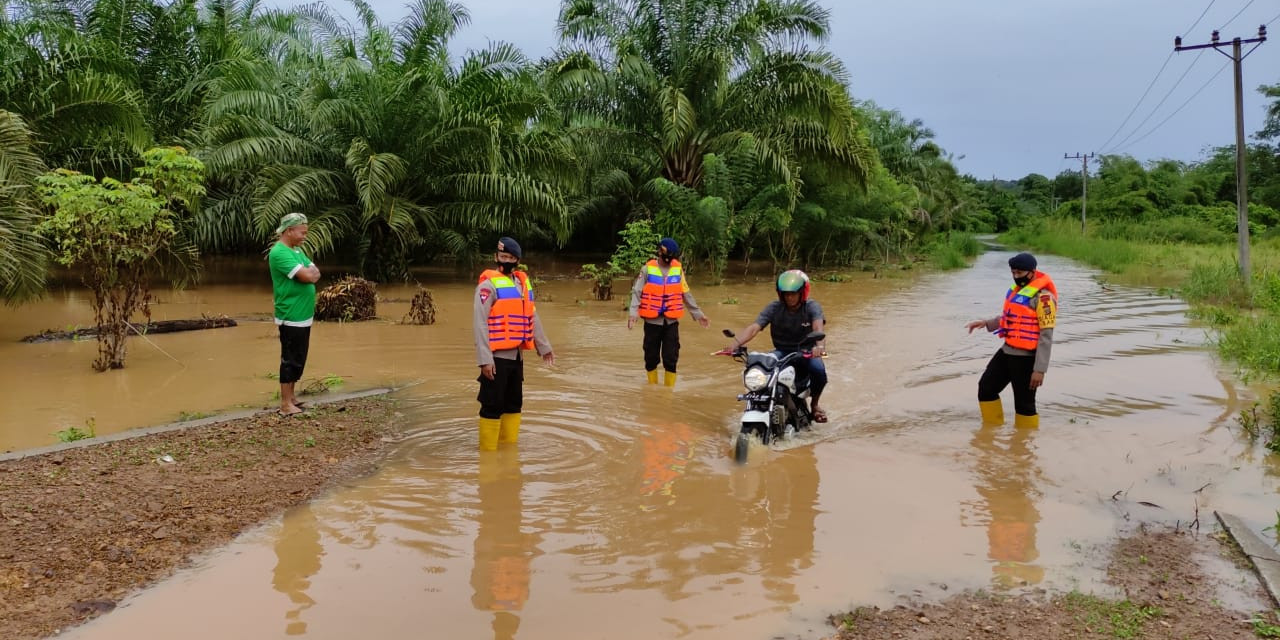
Several areas in Central Aceh, Indonesia, have faced severe floods and landslides due to heavy rains that began on Tuesday evening, leading to the destruction of two temporary bridges previously constructed during past natural disasters. The head of the Aceh Disaster Management Agency, Baharon Bakti, reported that the floods have affected several villages in the region, isolating some from the outside world.
Specifically, areas such as Sebakat village in the Selala district, Jeli Bulu village, and major roads like the Bintang - Simpang Kraf road have been impacted. Additionally, Lumut village and the Kala Ili bridge in the Linggi district, as well as Mandali and Bi Komi in the Kepiyakan area, have suffered damage. The floods have destroyed the temporary bridges, complicating access to these areas.
Event Details
Baharon Bakti stated that the floods and landslides have resulted in the destruction of two temporary bridges, isolating several villages in the Kitul area. Despite the significant damage, no fatalities or injuries among the residents have been reported. Emergency teams are working to assist affected residents, with three units of heavy equipment dispatched to the landslide sites to facilitate rescue operations and rebuild the bridges.
It has also been announced that the Bintang - Simpang Kraf road has returned to normal after swift efforts from emergency teams. However, efforts to reconstruct the destroyed bridges are ongoing, with heavy machinery being used to create new temporary bridges.
Background & Context
Indonesia is considered one of the countries most prone to natural disasters, frequently experiencing floods and landslides, particularly during the rainy season. This vulnerability is attributed to its geographical location, which makes it susceptible to heavy rainfall and earthquakes. In recent years, the country has witnessed numerous natural disasters resulting in significant human and material losses.
In 2021, Indonesia faced several natural disasters, including floods in various regions, prompting increased government calls for infrastructure improvements and enhanced disaster preparedness. Awareness programs have also been implemented to educate residents on how to cope with natural disasters.
Impact & Consequences
The floods and landslides in Central Aceh serve as a reminder of the fragility of infrastructure in remote areas. These events significantly impact residents' lives by hindering access to essential services such as education and healthcare. The destruction of infrastructure also increases the economic burden on the government and local communities.
Such disasters require a prompt and effective response from the government, including infrastructure improvements and the development of effective disaster management strategies. Investments in early warning systems and training for emergency teams are essential to enhance future response capabilities.
Regional Significance
Although the floods in Central Aceh may seem distant from the Arab region, the lessons learned from these disasters can be beneficial for Arab countries facing similar challenges. Natural disasters do not recognize borders, and regional cooperation in disaster management can contribute to strengthening the capacity to address such challenges.
Arab countries can also benefit from Indonesia's experiences in enhancing infrastructure and improving disaster preparedness, especially in light of climate changes affecting the entire world.