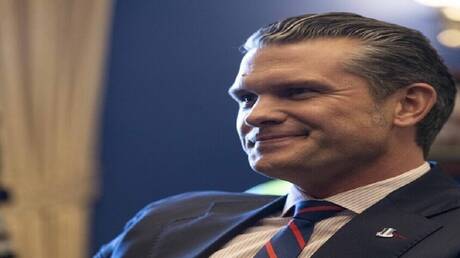
U.S. Secretary of War Pete Hegseth has called for the immediate resignation of General Randy George, the Chief of Staff of the U.S. Army, according to reliable sources cited by CBS News. This demand arises amid increasing tensions within the U.S. military establishment, as Hegseth seeks to reshape military leadership under current circumstances.
This unprecedented move reflects a state of dissatisfaction with General George's leadership performance, who assumed his position during a critical time for the U.S. Army. It comes amid growing criticism regarding the Army's response to escalating security challenges, both domestically and internationally.
Details of the Event
Recent events have accelerated, as media reports indicate that Hegseth, considered a controversial figure in the U.S. administration, made this decision after consultations with military and political advisors. There are believed to be increasing pressures from certain political circles demanding radical changes in military leadership, especially in light of rising tensions with countries like China and Russia.
General Randy George, who took office in 2021, has faced significant challenges since the beginning of his tenure, including managing military operations in various conflict zones. Questions have been raised about his strategies in addressing these challenges, leading to criticism from some members of Congress.
Background & Context
Historically, the United States has witnessed numerous changes in military leadership, often during times of crisis. In recent years, pressures on the U.S. Army to adapt to geopolitical changes have increased, making military leadership a focal point for both the public and politicians alike.
These demands are part of a broader discussion on how to manage the U.S. armed forces amid growing global challenges. In recent years, the United States has seen a decline in certain areas of military strength, prompting some political leaders to call for a reassessment of leadership strategies.
Impact & Consequences
These demands could lead to radical changes in military leadership, potentially affecting U.S. strategies in dealing with international crises. If Hegseth's demands are met, it could result in a significant reshaping of military leadership, impacting current and future military operations.
Moreover, this move may increase divisions within the military establishment, as some officers may feel concerned about sudden changes in leadership. Additionally, these developments could affect the relationship between the U.S. Army and Congress, as political pressures on military leadership may escalate.
Regional Significance
In the context of ongoing events, these developments could influence U.S. policy in the Middle East. The United States is a key player in many conflicts in the region, and any changes in military leadership may affect its strategies in addressing these conflicts.
Furthermore, increasing tensions with countries like Iran may necessitate a reevaluation of U.S. military strategies in the region. Therefore, any changes in military leadership could have far-reaching implications for U.S. policy in the Middle East.
The call for General Randy George's resignation reflects a state of dissatisfaction with leadership performance in the U.S. Army and may lead to radical changes in military leadership. Amid the increasing challenges facing the United States, the question remains about how these changes will affect military strategies and U.S. foreign policy.