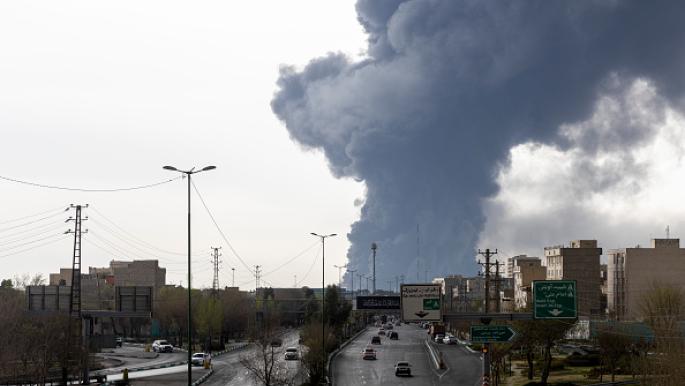
The eyes of the world are on the Middle East, where a new phase of conflict with Iran looms on the horizon, characterized by increasing military escalation and noticeable diplomatic pressures. The threats from U.S. President Donald Trump are raising concerns, intensifying tensions in the region.
U.S. military movements in the area indicate potential preparations for military confrontation, with an enhanced military presence in the Arabian Gulf. These steps come at a sensitive time, as Trump's deadline for Iran is expected to expire soon, placing the region in a position of difficult choices.
Event Details
Reports indicate that the United States has sent additional military reinforcements to the Gulf region, including aircraft carriers and fighter jets. These actions aim to send a clear message to Tehran that any escalation from its side will not go unanswered. Additionally, there are intensive diplomatic moves as Washington seeks to form an international coalition to counter Iranian activities in the region.
At the same time, Iran continues to develop its nuclear program, raising international concerns. Tehran has confirmed that it will not back down from its rights to develop nuclear energy, complicating the situation further. The mutual threats between both sides place the region in a state of instability, with many questioning the next steps the U.S. and Iran might take.
Context and Background
Historically, the relationship between the United States and Iran has been marked by significant tensions, especially following Washington's withdrawal from the nuclear agreement in 2018. Since then, tensions have escalated, with the U.S. imposing strict economic sanctions on Iran. These measures have significantly impacted the Iranian economy, prompting Tehran to take escalatory steps in its nuclear program.
The region has also witnessed an increase in military activities, with Iran supporting armed groups in Iraq, Syria, and Lebanon, raising concerns among neighboring countries. Recent U.S. movements are part of a broader strategy aimed at containing Iranian influence in the region.
Consequences and Impact
The current escalation could lead to severe consequences for regional security. Should military conflict erupt, it could impact oil prices and global financial markets. Furthermore, any escalation may lead to mass displacement of civilians, increasing the humanitarian burdens in the region.
Moreover, this situation could affect relations between Arab states and Iran, as fears grow over the increasing Iranian influence in the region. New alliances may form under these circumstances, potentially altering the balance of power in the Middle East.
Impact on the Arab Region
The Arab region is closely monitoring the current developments, as any escalation in the conflict could affect security and stability in neighboring countries. Gulf states, in particular, are concerned about Iranian threats, which may drive them to strengthen their military alliances with the United States and other nations.
At the same time, Arab countries must be prepared to deal with the repercussions of any escalation, both in humanitarian and economic dimensions. Regional cooperation may be essential to address the challenges that could arise from these tensions.
In conclusion, the region remains in a state of anticipation, as the coming weeks are expected to witness critical developments in the course of the conflict with Iran. The challenges are significant, and the options are limited, necessitating effective diplomatic dialogue to avoid military escalation.