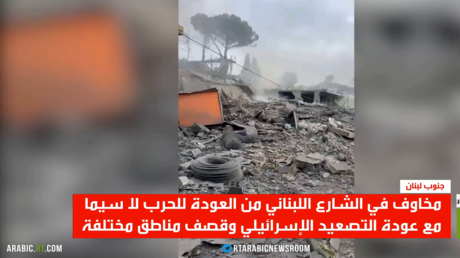
Fears are escalating in Lebanon regarding a return to war, as Israeli military operations in southern Lebanon persist despite a three-week truce. The current situation indicates that the ceasefire has become fragile, raising concerns among citizens and recalling memories of past conflicts.
Reports indicate that Israeli bombardment is ongoing, leading to a number of casualties among both the dead and injured. These developments reflect an escalation in tensions, with residents in affected areas experiencing anxiety and anticipation.
Details of the Incident
Despite international efforts to calm the situation, Israeli shelling has not ceased, intensifying tensions in the region. Local sources have reported that the bombardment targeted residential areas, resulting in injuries among civilians. The humanitarian situation in southern Lebanon is deteriorating, as residents suffer from a lack of essential supplies.
At the same time, Israeli forces continue to bolster their military presence along the border, increasing fears of a larger military escalation. These developments come at a sensitive time, as Lebanon seeks to regain stability after years of conflict.
Background & Context
Historically, Lebanon has witnessed several wars and conflicts, the most recent being the civil war that lasted from 1975 to 1990. Since then, the country has suffered from the repercussions of regional conflicts, including the dispute with Israel. In recent years, Lebanon has experienced periods of relative calm, but recent events suggest that this tranquility may be under threat.
The current truce followed a military escalation in the region, where repeated clashes occurred along the Lebanese-Israeli border. These events raise concerns that Lebanon may return to a cycle of violence, impacting its internal stability and increasing the suffering of its citizens.
Impact & Consequences
If the situation continues on this trajectory, Lebanon may face serious humanitarian and economic repercussions. Deteriorating security conditions could lead to mass displacement of populations, further straining infrastructure and public services.
Moreover, escalating conflict could affect Lebanese-Israeli relations and complicate international efforts to resolve the dispute. The international community is closely monitoring the situation, seeking to avoid a larger escalation that could lead to a full-scale war.
Regional Significance
The repercussions of the situation in Lebanon extend beyond its borders, potentially affecting stability across the entire region. The conflict in Lebanon could encourage armed groups in neighboring countries to take similar actions, increasing instability.
Any escalation in Lebanon could negatively impact other Arab nations, potentially leading to a flow of refugees and heightened regional tensions. It is crucial for Arab countries to support Lebanon during these challenging times to prevent further deterioration of the situation.
In conclusion, the situation in Lebanon remains complex, with rising fears of a return to war. It requires both international and local efforts to achieve stability and de-escalation, ensuring the safety of citizens and maintaining security in the region.