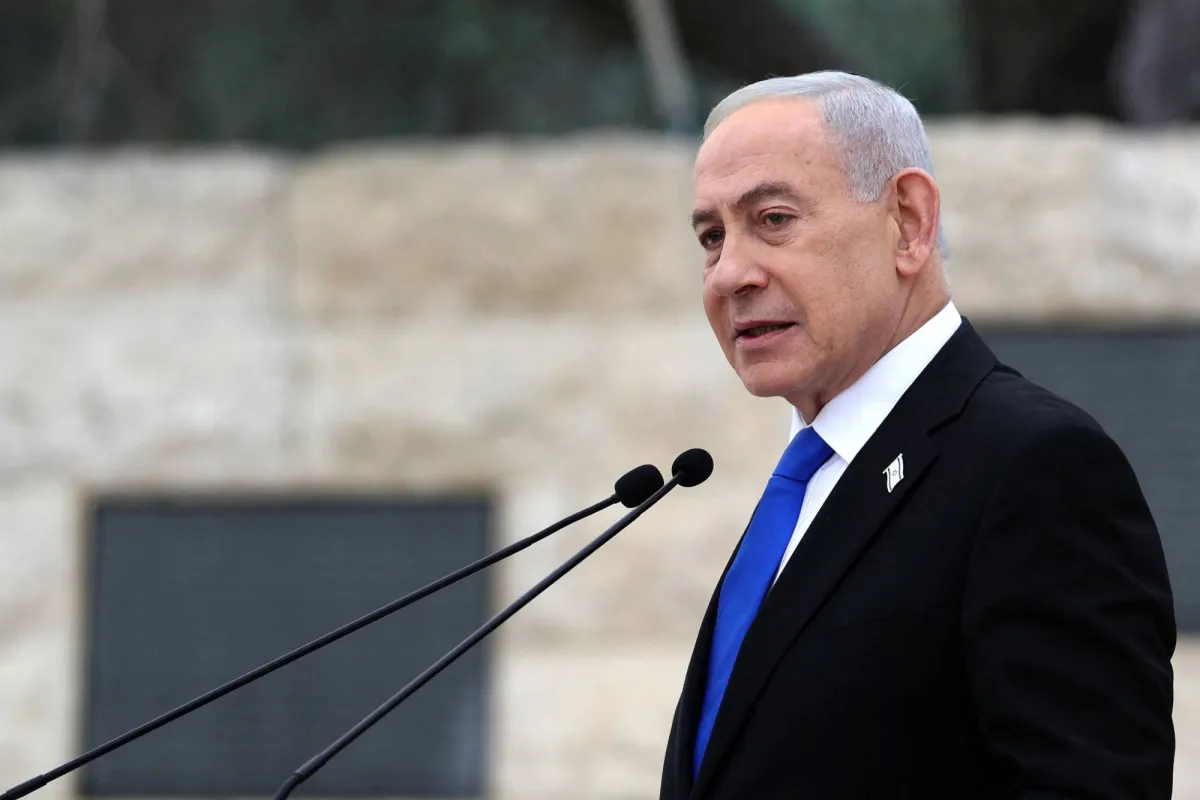
Israeli President Isaac Herzog has called for a meeting with Prime Minister Benjamin Netanyahu's lawyers and the prosecution at his residence, where he is considering a request for a pardon in light of the ongoing trials related to corruption charges against Netanyahu.
Netanyahu faces accusations in two cases involving attempts to secure favorable media coverage from Israeli outlets, along with a third case concerning receiving luxury gifts valued at over $260,000 from billionaires in exchange for political favors. A fourth corruption charge against him has been dropped.
Details of the Meeting
The President's legal advisor, Michal Tsuk-Shafir, informed the concerned parties in a letter that Herzog believes every effort should be made to hold discussions between the parties before exercising his powers regarding the request concerning Netanyahu. The letter was addressed to Netanyahu's lawyer Amit Hadad, Attorney General Gali Baharav-Miara, and State Prosecutor Amit Aisman.
Netanyahu, who has repeatedly denied any wrongdoing, is the first sitting Israeli Prime Minister to face court on corruption charges. He has described the legal proceedings, which began in 2019, as a "political trial" aimed at removing him from the political arena.
Background & Context
These developments come at a sensitive time for Israel, as Netanyahu's trial resumed two weeks ago following the lifting of emergency restrictions imposed during the war with Iran. This case has garnered international attention, with former U.S. President Donald Trump directly addressing the issue in a speech before the Knesset last October, urging Herzog to grant a pardon to Netanyahu.
Pressure is mounting on Herzog to make a decision regarding the pardon, especially amid the tense political atmosphere in the country. This request is seen as part of Netanyahu's efforts to remain in power despite the legal challenges he faces.
Impact & Consequences
If a pardon is granted to Netanyahu, it could significantly impact the Israeli political landscape, potentially reshaping political alliances and affecting upcoming elections. This decision may provoke mixed reactions from various political and public factions within Israel.
On the other hand, this development could affect Israel's relations with other countries, particularly given the current regional tensions. Granting a pardon to Netanyahu might be perceived as a retreat from legal accountability, which could draw criticism from the international community.
Regional Significance
Netanyahu's case is part of a broader context of events in the region, with Arab countries closely monitoring the outcomes of these trials and their impact on political stability in Israel. Any changes in Israeli leadership could lead to a reassessment of relations with Arab nations, especially considering shared challenges such as regional security and economic issues.
In conclusion, the question remains whether Herzog's discussions will yield tangible results and whether he can achieve consensus among the involved parties under the current circumstances.