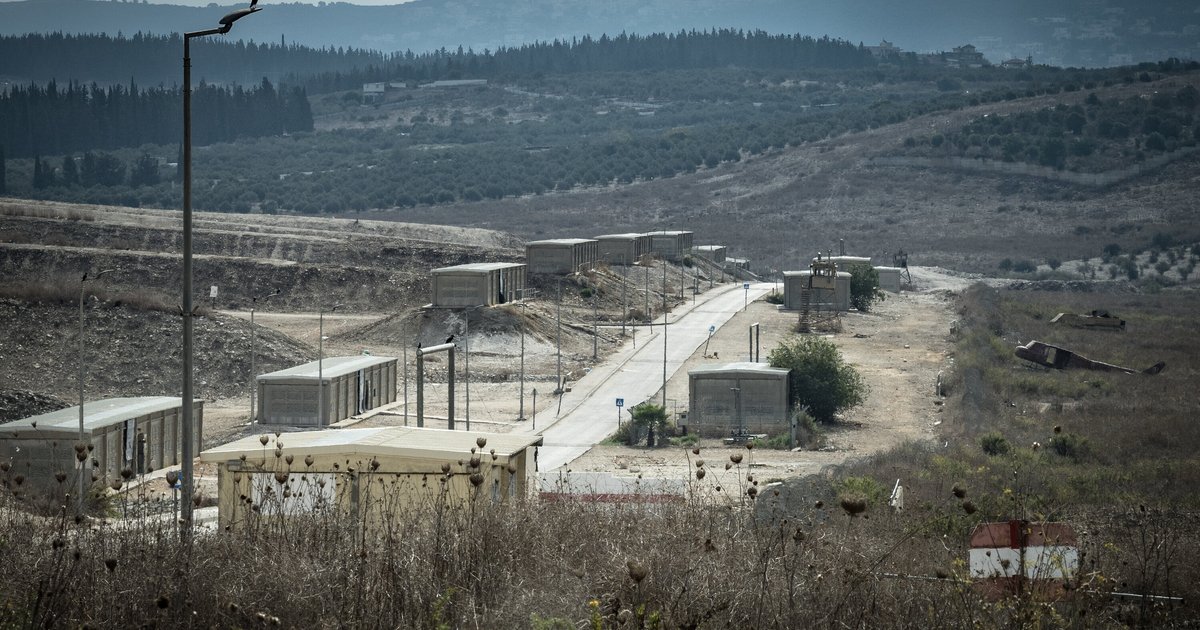
Eyes are on the battlefield in southern Lebanon, where Hezbollah is confronting Israeli Merkava tanks with new methods that rely on drones and light weapons. These tactics, considered a revolution in modern warfare concepts, demonstrate how simple and inexpensive weaponry can have a significant impact on expensive tanks.
In recent years, Israeli tanks have witnessed a shift in their traditional role on the battlefield. They are no longer viewed as the sole striking force but have become easy targets for drones used in precision attacks. These drones, part of a new warfare paradigm, provide Hezbollah with an advantage against a stronger enemy.
Details of the Event
On March 2, Hezbollah began its attacks using drones and missiles, launching over 60 rockets and drones daily. By March 19, the group had carried out more than 280 attacks targeting settlements in northern Israel and Israeli army positions in southern Lebanon. These attacks illustrate how modern technology can change the rules of engagement in military conflict.
Drones benefit from their low cost compared to traditional weaponry, enabling Hezbollah to conduct effective military operations without the need for massive investments. The use of drones in this conflict represents a significant shift in the concept of tank usage, as Israeli tanks now face new threats from the skies.
Background & Context
These developments coincide with the ongoing war in Ukraine, where reports have shown how drones have transformed the nature of warfare. In Ukraine, the movement of tanks has become a significant risk, prompting commanders to adopt new tactics based on stealth and concealment. This context underscores the importance of the transformations occurring in the conflict in Lebanon.
Historically, tanks have been seen as symbols of military power, but with the advent of drones, this perception is changing. Hezbollah demonstrates how modern technology can be used to narrow the gap between different military powers, thereby strengthening its position in the conflict.
Impact & Consequences
These developments illustrate how drones can reshape warfare strategies. With the increasing use of this technology, Israel may need to reassess its defensive strategies. This change in military tactics poses a significant challenge to the Israeli army, which has relied on its technological superiority in previous battles.
Reports indicate that Hezbollah aims to slow the advance of Israeli forces and raise the military cost, thereby enhancing its position in the conflict. This type of asymmetric warfare could lead to radical changes in how conflicts are managed in the region.
Regional Significance
These developments serve as a warning to other Arab countries that may face similar challenges. Hezbollah shows how modern technology can alter the balance of power in military conflicts. This could encourage other armed groups to adopt similar strategies, further exacerbating instability in the region.
Ultimately, the conflict in Lebanon illustrates how technology can reshape the concept of military power. As the use of drones and light weapons continues, we may witness radical changes in how conflicts are managed in the future.