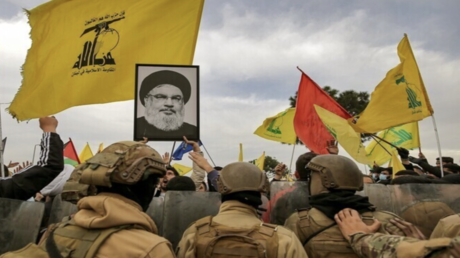
Hezbollah announced today that Lebanon is on the brink of a new phase in its history, where its fate is determined by current circumstances. This statement comes amid significant political and economic challenges facing the country.
The crises in Lebanon are escalating, as the people suffer from the repercussions of economic and political crises that have greatly affected their daily lives. In this context, Hezbollah's statement serves as a call to reflect on the future of the country and how to emerge from these crises.
Details of the Event
In the statement issued by Hezbollah, the importance of the current phase that Lebanon is undergoing was emphasized, with the party indicating that this phase requires the concerted efforts of all political and social parties. The statement also called for the necessity of working towards achieving political and economic stability, which the party considers essential for building a better future for the Lebanese.
These statements come at a time when the country is witnessing popular movements demanding reforms, as citizens express their dissatisfaction with the current conditions. Hezbollah sees itself as part of the solution, seeking to provide strategic visions to address the current challenges.
Background & Context
Lebanon has been suffering from consecutive crises for several years, starting from economic crises that led to the collapse of the national currency, to political crises that have plagued the country. These crises have worsened following the Beirut port explosion in August 2020, which significantly deteriorated the economic and social situation.
The political division among various forces in Lebanon, including Hezbollah, has contributed to the worsening of conditions. Under these circumstances, Hezbollah seeks to strengthen its position as a major political force in the country by presenting itself as a party striving for stability.
Impact & Consequences
Hezbollah's recent statements could significantly impact the political landscape in Lebanon. With increasing economic and social pressures, the party may find itself compelled to make concessions or enter into new alliances to achieve stability.
Moreover, these statements may affect relations between Lebanon and regional and international countries, as the international community looks for tangible steps towards reform and stability in Lebanon. These dynamics could have implications for the international aid Lebanon needs to emerge from its crisis.
Regional Significance
The situation in Lebanon is part of a broader regional landscape, where political and economic crises intersect in many Arab countries. The stability of Lebanon could have positive effects on neighboring countries, while the continuation of crises may exacerbate conditions in the region.
Furthermore, the situation in Lebanon may affect the refugee movement, as many Lebanese seek to emigrate in search of better opportunities abroad. This could lead to changes in the demographic makeup of the region, necessitating greater international attention.
In conclusion, the future of Lebanon remains uncertain amid current challenges. However, Hezbollah's statements highlight the importance of the current phase and the need for collective action to emerge from the crises. Hope remains pinned on the ability of political forces in Lebanon to achieve stability and build a better future.