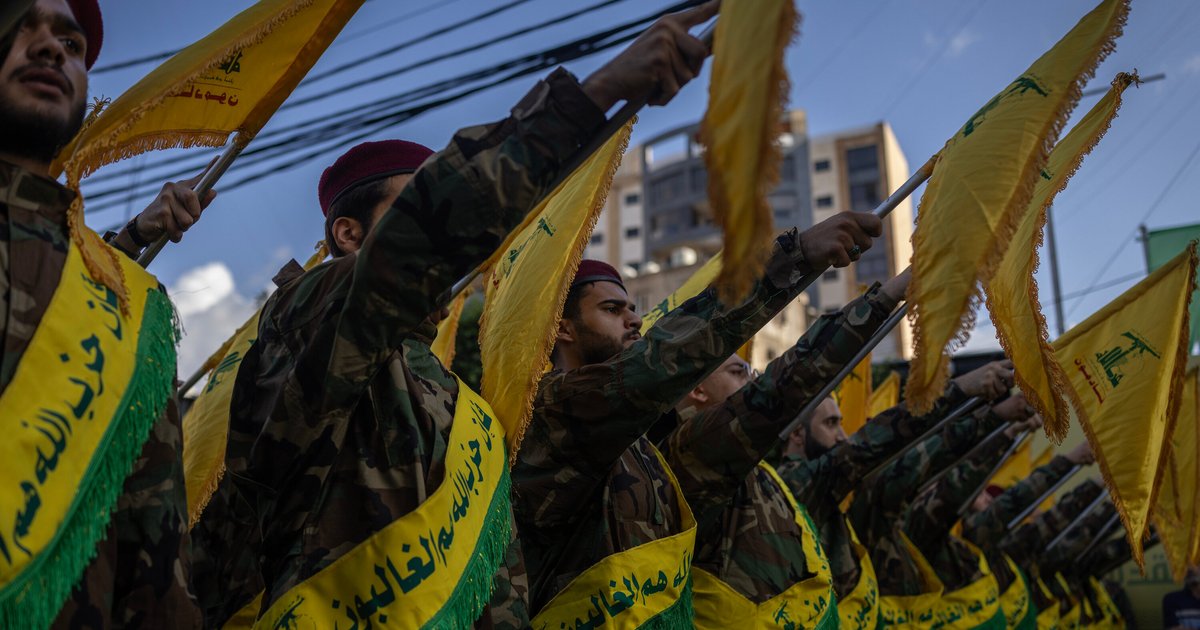
Hezbollah continues its military operations against the Israeli occupation in border areas, with reports indicating a rise in military activities. This escalation comes amid increasing tensions in the region, raising concerns about a potential wider conflict.
The recent attacks include artillery shelling and targeting of Israeli military sites, resulting in injuries among Israeli forces. Military sources have confirmed that Hezbollah is employing advanced techniques in executing these operations, reflecting the evolution of its military capabilities.
Details of the Incident
In recent days, Israeli forces have detected an increase in Hezbollah's activity along the Lebanese border, with several Israeli military sites being targeted. Images captured from the area show the aftermath of the shelling, indicating the scale of the attacks carried out by the group.
At the same time, Israeli forces issued warnings that any further escalation would be met with a strong response, heightening tensions in the region. Israeli officials have indicated that Hezbollah is seeking to exploit the regional situation for political and military gains.
Background & Context
The roots of the conflict between Hezbollah and Israel date back decades, with the region witnessing numerous wars and disputes. Hezbollah was established in 1982 in response to the Israeli occupation of Lebanon, and since then, it has become a key player in Lebanese politics and the conflict with Israel.
In recent years, tensions in the region have escalated due to the Syrian conflict and Iran's influence in the Middle East. Hezbollah aims to strengthen its position as a military and political force, making it one of the prominent players in the regional conflict.
Impact & Consequences
These attacks could lead to a greater escalation in the conflict, threatening stability in both Lebanon and Israel. Any military response from Israel may open the door to a new round of violence, impacting civilians in both countries.
Concerns are growing that escalating tensions could lead to international interventions, as major powers are closely monitoring the situation. This could affect relations between countries in the region and complicate peace efforts.
Regional Significance
These events are indicative of the deteriorating security situation in the region, raising alarms among neighboring Arab countries. Increased tensions may have economic and political repercussions, as nations focus on their internal stability.
Furthermore, the escalation of the conflict between Hezbollah and Israel could impact Arab reconciliation efforts, as some countries seek to improve relations with Israel. Under these circumstances, Arab nations may find themselves in a difficult position between supporting resistance or maintaining diplomatic relations with Israel.
The situation in the region remains tense, with observers expecting further escalation in the coming days. The current situation requires careful analysis and international cooperation to mitigate escalation and ensure regional stability.