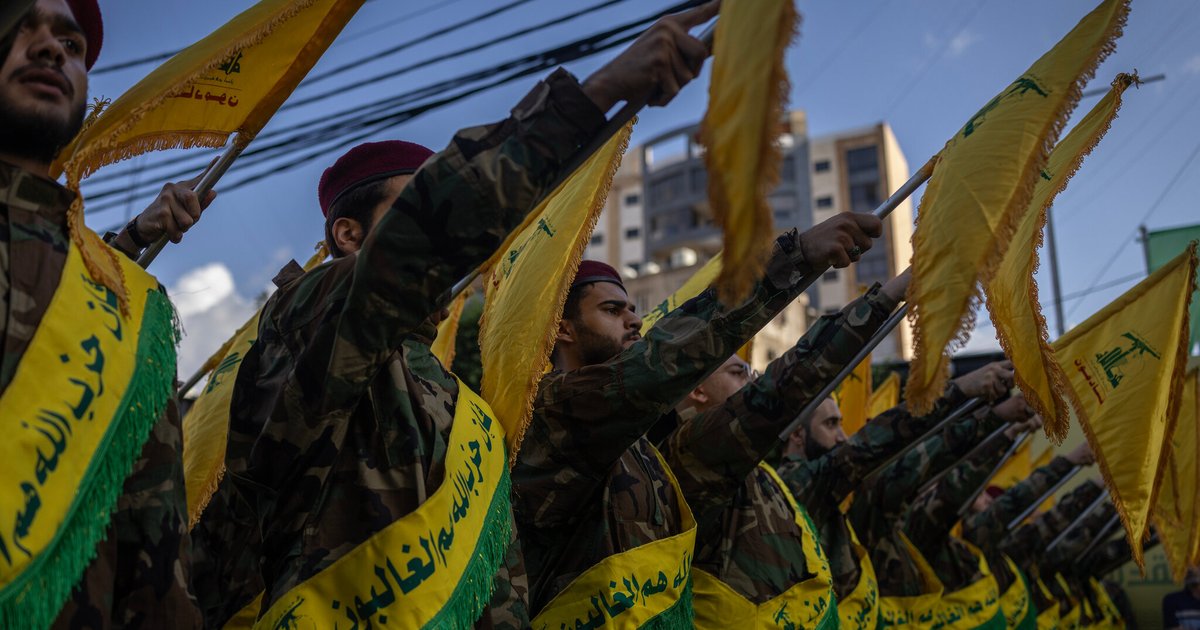
Hezbollah has renewed its attacks on the Israeli occupation, reflecting a notable escalation in tensions along the Lebanese-Israeli border. This escalation comes at a sensitive time, as fears of worsening violence in the region are on the rise.
In recent days, reports have indicated that Hezbollah targeted Israeli military sites, resulting in injuries and damage. These attacks are part of the party's response to what it considers repeated Israeli assaults on Lebanon's sovereignty.
Details of the Incident
Hezbollah announced the execution of a series of attacks on occupation sites, utilizing missiles and artillery shells. Israeli military sources have confirmed injuries among occupation soldiers, heightening tensions between the two sides.
These attacks follow a series of border skirmishes that have occurred in the region over the past weeks, during which Israeli forces attempted to bolster their military presence along the border, provoking strong reactions from Hezbollah.
Background & Context
Historically, the Lebanese-Israeli border has been a theater of tensions and conflicts. Since the 2006 war, the region has witnessed numerous clashes and military operations. Hezbollah, which considers itself a resistance movement against occupation, continues to affirm its commitment to confronting any aggressions against Lebanon.
In recent years, concerns have increased regarding the escalation of conflict in the region, particularly with the rise in Israeli military activities in Syria and Lebanon. These activities alarm Hezbollah, which views them as a direct threat to Lebanon's security and stability.
Impact & Consequences
The escalation of attacks by Hezbollah could lead to military responses from the occupation, threatening the outbreak of a new war in the region. This escalation may also impact political stability in Lebanon, where the party faces both internal and external pressures.
Moreover, military escalation could affect relations between Lebanon and neighboring countries, especially given the tense political situation in the region. Any escalation could lead to an influx of refugees and exacerbate humanitarian crises in Lebanon.
Regional Significance
The recent events are seen as an indicator of rising tensions in the region, raising concerns among Arab countries. The tension between Hezbollah and the Israeli occupation could affect regional security and deepen divisions among Arab states.
In light of these circumstances, Arab countries must adopt effective diplomatic strategies to address the escalation and work towards enhancing security and stability in the region.
In conclusion, the situation along the Lebanese-Israeli border remains tense and requires close monitoring. The current escalation may have far-reaching implications for regional security, necessitating urgent steps to prevent further deterioration of the situation.