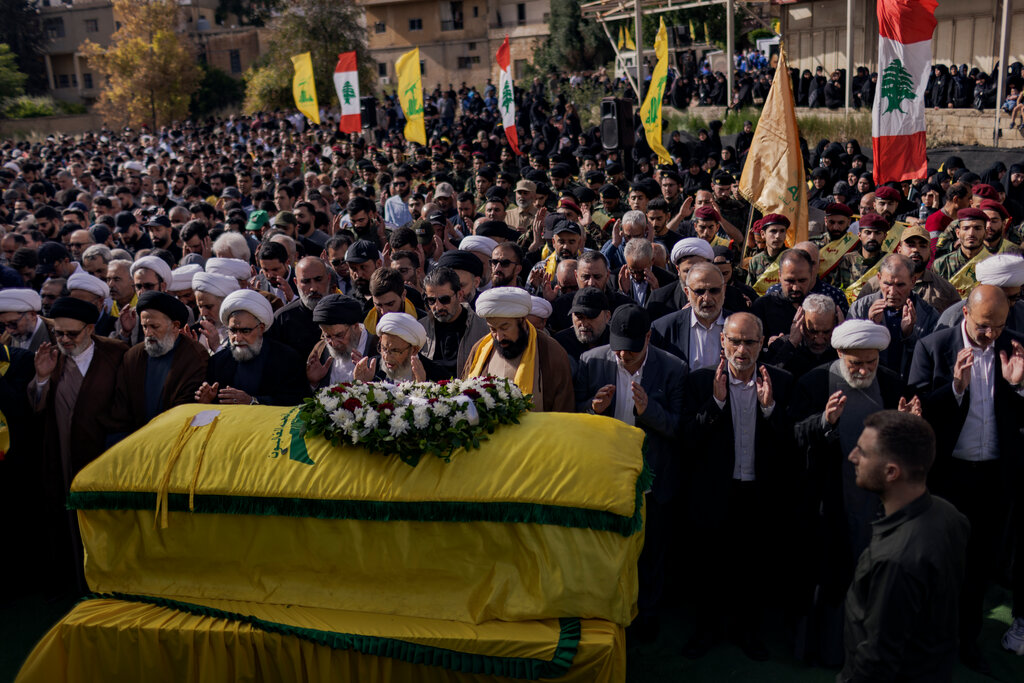
Hezbollah has declared its refusal to engage in negotiations proposed between Lebanon and Israel, raising fears of a new escalation in regional tensions. This rejection comes at a sensitive time, as the region is experiencing increasing tensions due to ongoing events in Palestine and Lebanon.
This announcement coincided with the visit of Iranian Foreign Minister Abbas Araghchi to Russia, where he is scheduled to meet with Russian President Vladimir Putin. This visit follows Araghchi's failure to hold a meeting with American officials in Pakistan, underscoring the challenges facing Iranian diplomacy at this time.
Details of the Event
Hezbollah, one of the prominent armed factions in Lebanon, has asserted that any negotiations with Israel would not be acceptable under the current circumstances. The party believes that such negotiations could weaken Lebanon's position against ongoing Israeli threats. A party leader stated that any attempt at negotiation must take into account the rights of the Palestinian people and the resistance against occupation.
At the same time, Iran is seeking to strengthen its relations with Russia amid increasing tensions with the United States and its allies. Araghchi's visit to Moscow is part of Iran's efforts to expand its influence in the region, especially given the economic and political challenges it faces.
Background & Context
Historically, relations between Lebanon and Israel have been marked by ongoing tensions, with several wars and conflicts occurring over the decades. Hezbollah, established in the 1980s, has played a pivotal role in resisting Israeli occupation and considers itself the defender of the rights of both Lebanese and Palestinians against Israeli threats.
In recent years, tensions between Israel and Hezbollah have escalated, particularly with the rise of events in Gaza and regional pressures. Additionally, the economic situation in Lebanon exacerbates crises, complicating the political landscape further.
Impact & Consequences
Hezbollah's rejection of negotiations could lead to a potential military escalation, threatening the stability of Lebanon and the region as a whole. Should any escalation occur, it could impact the security situation in Lebanon and increase the suffering of the Lebanese people, who are already grappling with economic and social crises.
Moreover, the strengthening of relations between Iran and Russia could alter the balance of power in the region, as both parties seek to counter American influence in the Middle East. These new dynamics could lead to changes in regional and international policies.
Regional Significance
The ongoing events in Lebanon and Israel are of great importance to Arab countries, as any escalation could affect security and stability across the entire region. Arab nations, especially those facing internal conflicts, may find themselves in a difficult position if matters escalate towards military confrontation.
Furthermore, Hezbollah's stance reflects the challenges faced by Arab countries in dealing with regional issues, as they must balance their national interests with external pressures.
In conclusion, Hezbollah's rejection of negotiations with Israel comes at a sensitive time and reflects the complexities of the regional situation. It is crucial to monitor developments in this context, as the potential impact on Lebanon and the Arab region could be significant.