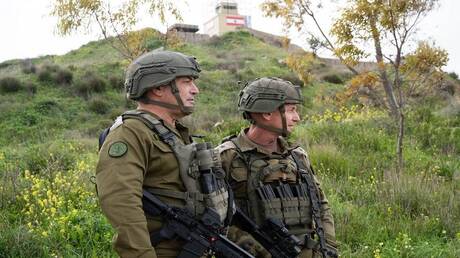
In a mutual military escalation, Lebanese Hezbollah announced attacks on Israeli tanks and bases, reflecting the rising tensions in the region. In a swift reaction, the Israeli army reported the elimination of two prominent Hezbollah members, in addition to targeting Hezbollah infrastructure in Lebanon.
These developments come at a sensitive time, as fears of a larger escalation in the conflict between the two sides increase. Hezbollah indicated that its operations aim to enhance Lebanese security, while the Israeli army views these operations as threats to its stability and national security.
Details of the Incident
Hezbollah announced its targeting of several Israeli tanks in the border area, utilizing advanced techniques to execute ambushes. Sources confirmed that the attacks resulted in significant damage to Israeli military equipment, reflecting Hezbollah's capability to conduct complex operations.
In contrast, the Israeli army announced the execution of qualitative operations that resulted in the elimination of two Hezbollah members, who are considered prominent leaders in the organization. The army confirmed that these operations are part of its ongoing efforts to counter threats from Lebanon.
Background & Context
Historically, the Lebanese-Israeli border has witnessed increasing tensions, especially since the 2006 war. Hezbollah has worked to enhance its military capabilities, making it one of the most prominent armed factions in the region. In recent years, military activities along the border have intensified, leading to a continuous escalation in clashes.
These events coincide with the political and economic crises that Lebanon is experiencing, as Hezbollah seeks to strengthen its position as a protector of Lebanese sovereignty against Israeli threats. At the same time, the Israeli army aims to maintain its national security through preemptive operations against Hezbollah.
Impact & Consequences
These developments indicate the potential for a larger escalation in the conflict between Hezbollah and Israel, which could have serious repercussions for regional security. An increase in military operations may lead to violent reactions from both sides, threatening the stability of the entire region.
Moreover, the military escalation could affect international relations, as external powers may intervene in the conflict, complicating the situation further. The international community views these events as a warning of the possibility of a new war erupting in the region.
Regional Significance
These events are of significant importance to the Arab region, as they contribute to increasing tensions among countries. The conflict between Hezbollah and Israel impacts the national security of neighboring states and exacerbates political divisions in the region.
Additionally, the military escalation may worsen the humanitarian crises in Lebanon, where the country is suffering from severe economic and social challenges. Thus, any escalation could increase the suffering of the Lebanese people and affect the stability of the entire region.
In conclusion, the situation along the Lebanese-Israeli border remains tense, requiring close monitoring by the international community. Recent developments suggest that the conflict may be heading towards further escalation, necessitating urgent diplomatic efforts to prevent the outbreak of a new war.