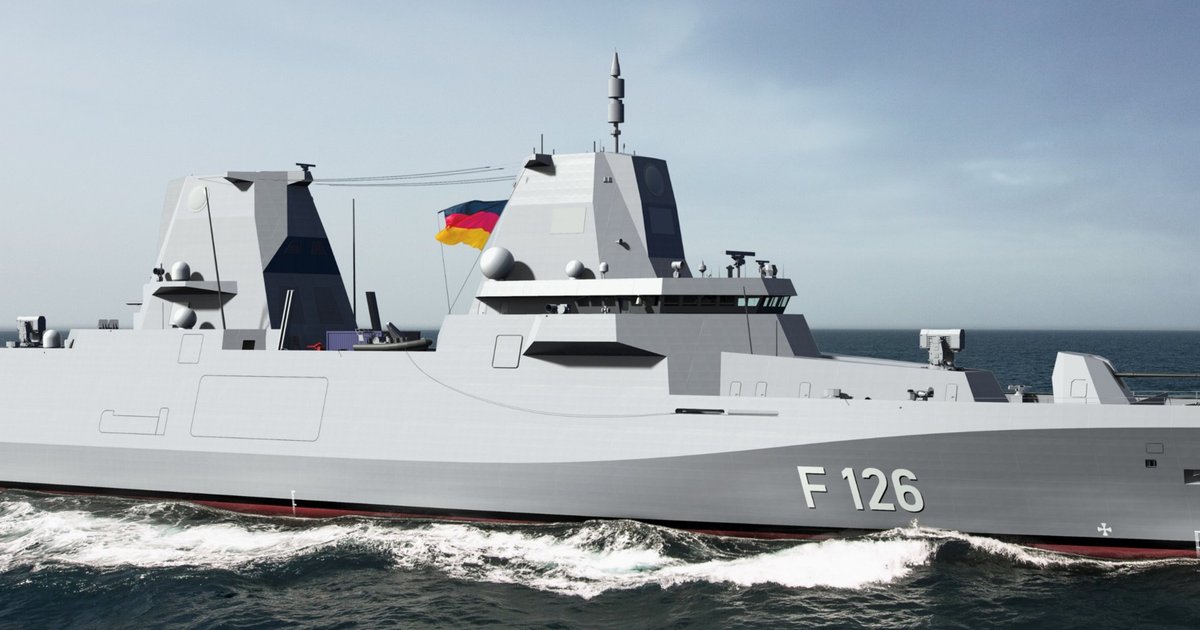
The experience of Germany with the F126 frigate project serves as a harsh lesson in the realm of rearming European forces. This frigate was expected to enhance the capabilities of the German navy; however, the project has encountered numerous challenges leading to delays and failures in achieving its goals.
Amid rising tensions, European nations, including Germany, are striving to bolster their military capabilities. Yet, the setbacks in the F126 project illustrate that the path toward effective rearmament is not as straightforward as anticipated.
Project Details and Challenges
The F126 frigate was intended for multiple missions, including counter-terrorism and protecting maritime interests. However, the project has faced technical challenges that have resulted in delays to the delivery schedule, and the allocated budget has been subject to fluctuations.
This experience serves as a warning for European military agencies seeking to procure advanced military equipment. The failure to implement the F126 project highlights the importance of sound planning and effective execution to ensure success.
Background & Context
Historically, Germany has relied on partnerships with other countries to secure its military needs. As geopolitical tensions have escalated, Germany has begun to seek ways to enhance its capabilities independently. The F126 project was part of this strategy, but its failure underscores the challenges Germany faces in this endeavor.
Impact & Consequences
The failure of the F126 project could have far-reaching implications for Germany's and Europe's defense policies. It may lead to a reevaluation of how military budgets are allocated and how partners are chosen. Additionally, this failure could undermine confidence in Germany's ability to lead European military efforts.
Regional Significance
The implications of the F126 project extend beyond Germany, affecting the broader European defense landscape. As countries reassess their military strategies in light of this failure, it may prompt a shift in alliances and partnerships within Europe.
In conclusion, the F126 project serves as a critical case study in the importance of effective planning and execution in military projects, impacting the ability of European nations to strengthen their defenses.