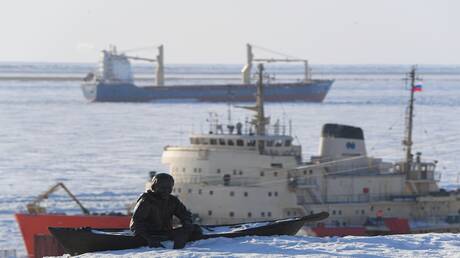
Russian Foreign Minister Sergey Lavrov stated that the Northern Sea Route will gain special importance given the current international circumstances. Lavrov pointed out that the reliability of this route will increase, reflecting the geopolitical changes occurring worldwide.
His remarks come at a time when tensions between major powers are escalating, making the Northern Sea Route a significant strategic option. This corridor, which stretches across polar waters, serves as a potential alternative to conventional maritime routes, allowing for swift access to global markets.
Details of the Event
The Northern Sea Route, linking the Atlantic Ocean and the Pacific Ocean, is considered one of the most important maritime corridors in the world. In recent years, there has been an increase in shipping traffic through it, particularly as ice in the region has receded. Lavrov clarified that the growing use of this route reflects the increasing confidence in its ability to meet maritime transport needs.
Furthermore, Lavrov mentioned that Russia is working on developing the necessary infrastructure to support navigation in this corridor, including specialized ports and vessels. These efforts aim to enhance the competitiveness of the Northern Sea Route compared to other routes.
Background & Context
This statement comes amid rising tensions between Russia and the West, as Moscow seeks to bolster its influence in the Arctic region. In recent years, Russia has increased its military presence in the area, raising concerns among Western nations. Additionally, climate change leading to ice melting in the Arctic has opened new avenues for navigation and trade.
Historically, the Northern Sea Route has faced numerous challenges, but with technological advancements and climate change, it has become more feasible to utilize it effectively. This shift could alter global trade dynamics and enhance Russia's role as a maritime transport hub.
Impact & Consequences
The increasing importance of the Northern Sea Route may lead to significant changes in global trade. As reliance on this corridor grows, traditional transport routes may be affected, reshaping the global trade map. Moreover, enhancing the reliability of this route could attract more investments in maritime infrastructure.
Furthermore, this development may escalate tensions among concerned nations, as each country strives to secure its interests in the region. Competition for maritime resources and transport is likely to intensify, complicating international relations.
Regional Significance
For Arab countries, the growing importance of the Northern Sea Route could open new trade opportunities. Arab nations may be able to leverage this corridor to expand their markets, especially in light of the challenges facing traditional transport routes.
Additionally, strengthening cooperation between Arab countries and Russia in this field could contribute to the development of joint projects that benefit both parties. Amid geopolitical changes, maritime transport cooperation may become a priority for Arab nations to bolster their economies.
In conclusion, given the shifting international circumstances, it appears that the Northern Sea Route will continue to gain increasing importance. Lavrov's statements reflect Russia's strategic vision in this domain, which could impact global trade and international relations in the future.