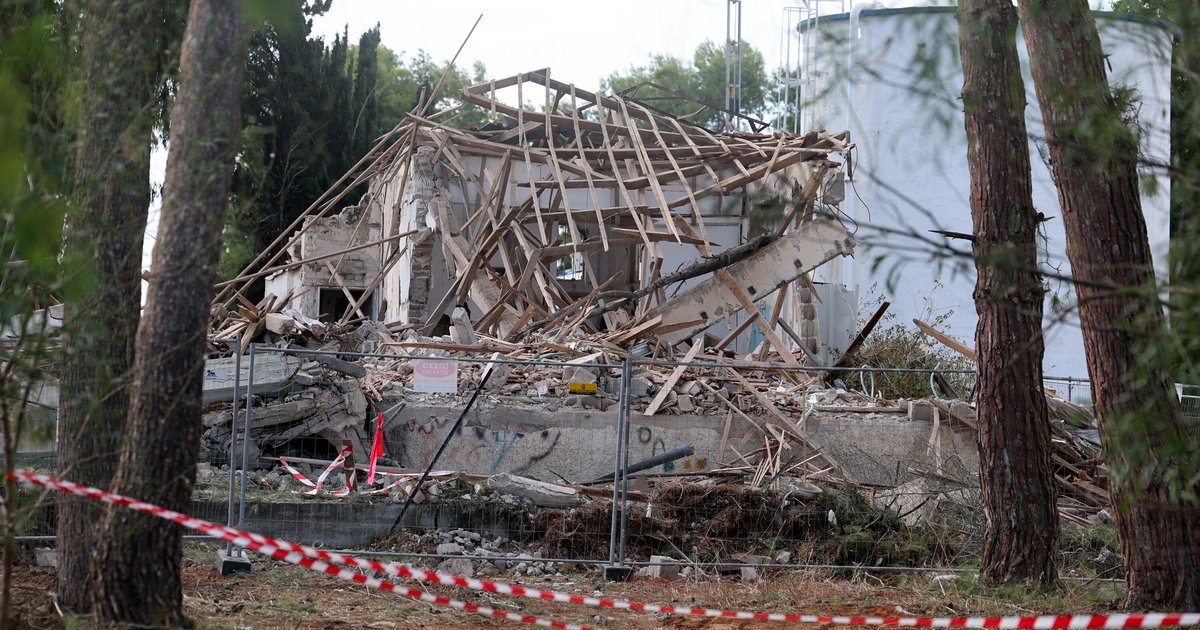
The humanitarian crises persist amid the U.S.-Iran war, with the media playing a vital role in highlighting the forgotten dimensions of these conflicts. Despite the years that have passed since the onset of this war, its repercussions significantly affect the lives of millions, necessitating urgent action from the international community.
The crises faced by the populations in the region are numerous, ranging from displacement and refugee issues to economic and social challenges. Although the media has a crucial role, it faces significant challenges in conveying these crises objectively and effectively.
Details of the Humanitarian Crisis
The humanitarian crises in the U.S.-Iran war manifest through painful stories reflecting the suffering of civilians. Media reports indicate that many families have lost their homes, while children suffer from severe shortages in education and healthcare. These crises need to be highlighted more to ensure they are not forgotten.
Moreover, communities are experiencing profound psychological and social effects due to these conflicts. Reports indicate rising rates of depression and anxiety among the population, which calls for urgent interventions from humanitarian organizations.
Background & Context
The roots of the U.S.-Iran war date back decades, beginning with political and economic tensions. These tensions led to armed conflicts, affecting the stability of the entire region. The media has played a role in covering these events, but it faces challenges in conveying the complete picture.
Historically, the region has witnessed numerous crises, but the current war stands out as one of the most complex. The intertwining of political and economic interests makes it difficult to reach effective solutions.
Impact & Consequences
The repercussions of the U.S.-Iran war extend beyond borders, impacting security and stability in neighboring countries. Reports suggest that these crises could lead to the spread of extremism and increased conflicts in the region.
Additionally, the humanitarian crises resulting from this war demand an urgent response from the international community. Humanitarian organizations face difficulties in providing aid due to instability, exacerbating the suffering of civilians.
Regional Significance
Arab countries are directly affected by the consequences of the U.S.-Iran war, with increasing numbers of refugees and displaced persons. These crises place pressure on the economic and social resources of host countries.
Furthermore, the psychological and social impact on Arab communities requires special attention. There must be coordination between Arab countries and international organizations to ensure that necessary support is provided to those affected.
In conclusion, the humanitarian crises in the U.S.-Iran war need greater emphasis. The media must play an active role in conveying this suffering, contributing to motivating the international community to take urgent steps to resolve these crises.