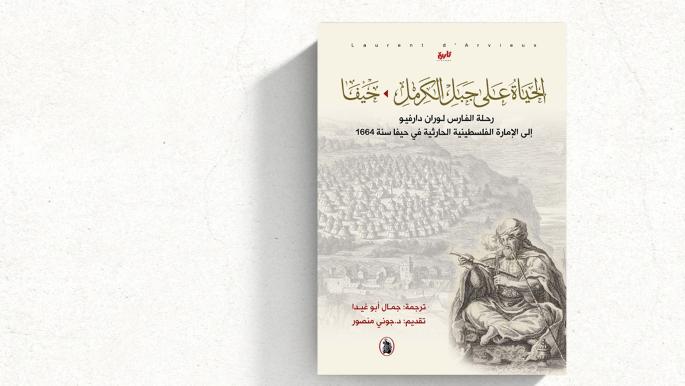
Highlighting the writings of Laurent d'Arvieux, who lived in the seventeenth century, unveils significant aspects of Palestinian life during that period. The recently translated book into Arabic reflects the experiences and hardships of Bedouin life, even though it is not devoid of a European superiority perspective.
Laurent d'Arvieux was among the writers who documented daily life in Palestine, providing an accurate description of the social and cultural environment. Although some of his views may reflect superior attitudes, the book emphasizes important human aspects and gives a voice to the people who lived during that era.
Details of the Writings
The writings include observations about daily life, customs, and traditions, as well as the challenges faced by Palestinians under complex political and social conditions. d'Arvieux, who traveled in the region, managed to capture precise details that reflect the realities of life at that time.
The writings also describe the landscapes and resources available to the inhabitants, reflecting the close relationship between Palestinians and their land. This documentation serves as an important source for understanding Palestinian history and enhances the significance of preserving collective memory.
Background & Context
In the seventeenth century, Palestine represented a crossroads for many cultures and civilizations. The region was under Ottoman rule, which affected the daily lives of the inhabitants. This historical context enhances the importance of d'Arvieux's writings, as they reflect the cultural and social interactions prevalent during that time.
Historically, Palestine was a center for trade and cultural exchange, making it a focal point for many travelers and writers. d'Arvieux's writings come within this context, reflecting the social and political changes the region experienced.
Impact & Consequences
d'Arvieux's writings contribute to a deeper understanding of Palestinian history, offering a multidimensional view of the lives of people during that period. This type of writing helps correct some misconceptions about the history of Palestine and emphasizes the importance of research and study in this field.
Moreover, these writings open avenues for researchers and interested parties to study the impact of external factors on Palestinian life, thereby expanding the understanding of the contemporary history of the region.
Regional Significance
d'Arvieux's writings are an important reference not only for Palestine but for the entire Arab region. These writings reflect the common challenges faced by Arab peoples during that time, reinforcing the importance of unity and solidarity among Arab countries.
In conclusion, d'Arvieux's writings highlight the importance of preserving historical memory and providing a fairer image of Palestinian life, thereby enhancing cultural identity and reflecting the rich diversity of the region.