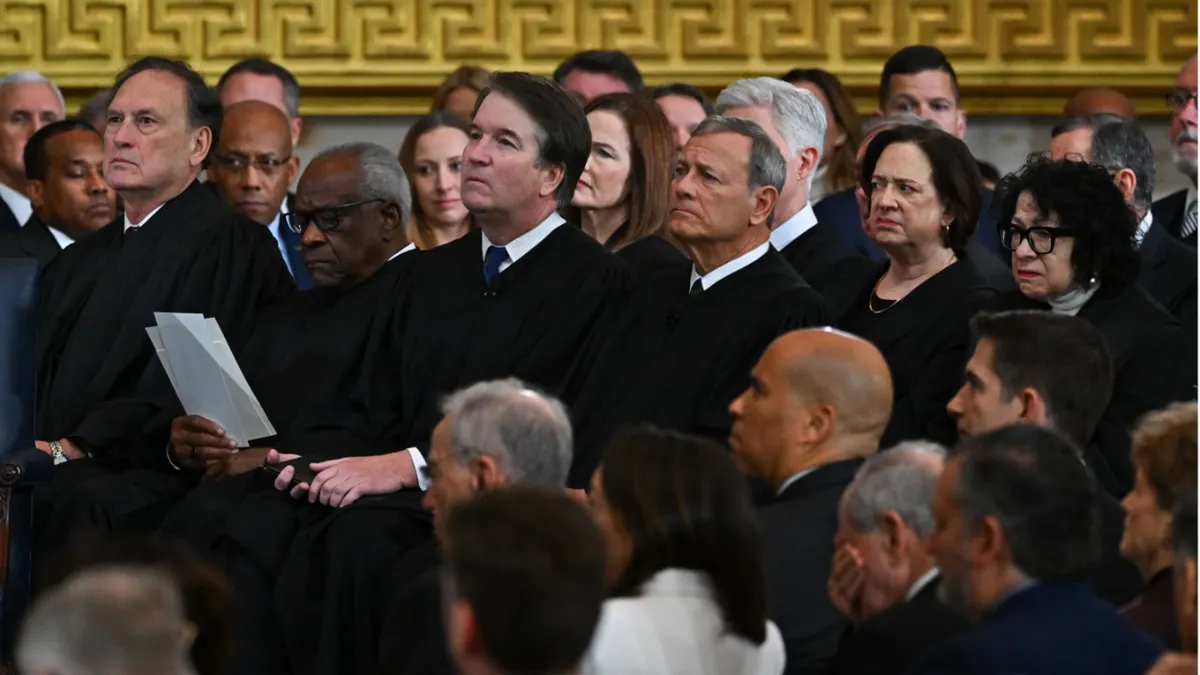
The U.S. Supreme Court is preparing to discuss an important case concerning birthright citizenship, which guarantees American citizenship to anyone born on U.S. soil. This right, enshrined in the 14th Amendment of the U.S. Constitution, has sparked extensive debate in political and social circles, with some viewing it as a fundamental right, while others see it as a burden on the social and economic system.
Concerns are growing that this right may lead to an increase in illegal immigration, raising questions about its impact on the demographic makeup of the United States. At the same time, this discussion emerges within a broader context of how countries handle issues of immigration and citizenship, making this issue of global significance.
Details of the Event
All eyes are on the U.S. Supreme Court as hearings are set to take place regarding the case that could affect the future of birthright citizenship. This case is not new; it has been raised in the past, but it gains particular importance amidst current political and social changes. The discussions are expected to include diverse opinions from legal experts and civil society representatives, reflecting the varied perspectives on this topic.
The case also involves analyses of how this right may affect future generations and whether current laws should be reevaluated. There are calls for legal changes that could lead to a reduction or even elimination of this right, causing concern among many immigrants and their families.
Background & Context
Birthright citizenship is part of a long history of debates surrounding national identity and citizenship. This right was included in the U.S. Constitution after the Civil War as part of efforts to rebuild the nation. However, this right has not always been universally accepted, as the United States has seen numerous attempts to limit or alter it.
In recent years, political pressure to change immigration laws has increased, leading to a rise in discussions about birthright citizenship. Voices advocating for a review of this right are growing, pointing to the economic and social challenges facing the country.
Impact & Consequences
If the Supreme Court decides to change or eliminate birthright citizenship, it could have significant repercussions for American society. This may create uncertainty among immigrants and affect their decisions regarding immigration to the United States. It could also lead to changes in the demographic composition of the country, potentially impacting the economy and culture.
Moreover, this decision could influence how other countries address issues of immigration and citizenship, making this matter central to global discussions on human rights and citizenship.
Regional Significance
Issues of immigration and citizenship are directly related to the Arab region, where many Arab countries are experiencing significant flows of migrants. Changes in U.S. policies may affect the choices of Arab migrants, whether in terms of coming to the United States or returning to their home countries.
Additionally, the discussion surrounding birthright citizenship may inspire similar movements in Arab countries, as many individuals seek to secure their rights as citizens. Understanding how countries deal with these issues can help shape future policies in the region.
In conclusion, birthright citizenship remains a complex issue that requires deep thought and careful analysis. As the U.S. Supreme Court prepares to consider this case, its implications may extend beyond American borders, making it a vital topic for global discussion.