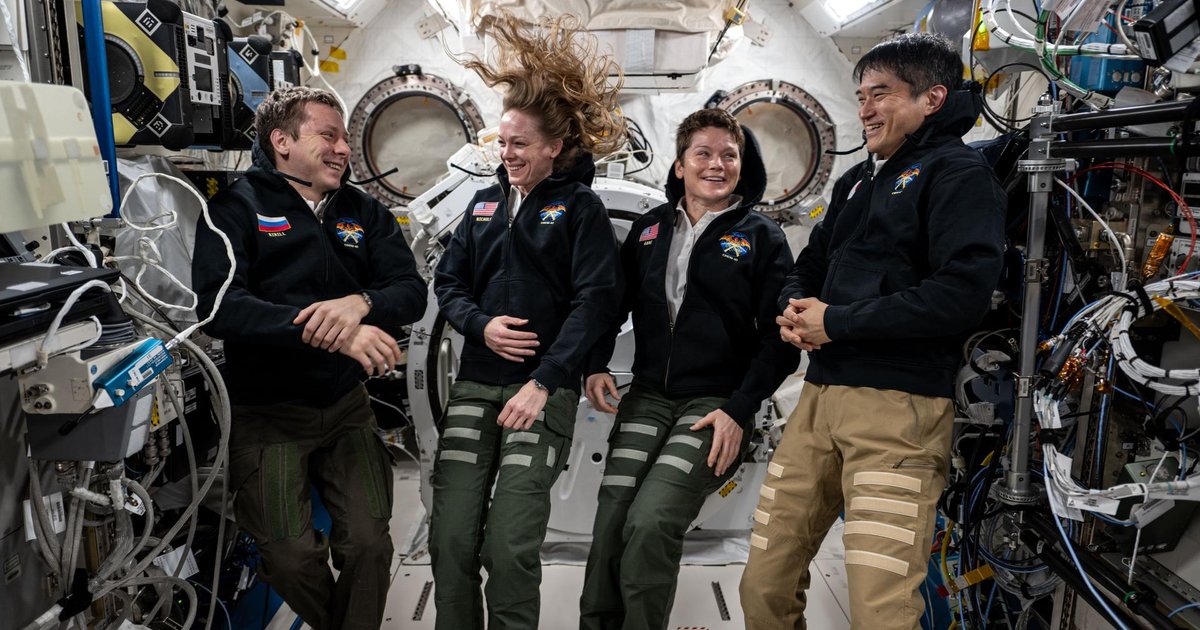
NASA is preparing to launch a new space mission carrying astronauts on a historic journey around the moon next Wednesday. The trip, which will last 10 days, represents humanity's return to lunar space after more than 50 years of absence. The launch will take place from the Kennedy Space Center in Florida, where the Orion spacecraft, manufactured by Lockheed Martin, is set to launch on a Space Launch System rocket built by Boeing.
This mission is part of the Artemis program, which aims to return humans to the moon, with the spacecraft expected to reach the closest point to the moon before returning to Earth. The journey is a significant step toward achieving larger goals, including future exploration of Mars.
Event Details
The launch is scheduled for 6:24 PM local time, where the Orion spacecraft will fly around the moon before returning to Earth. This mission represents a new beginning for the American space program, which has seen a decline in recent years. Mike Haridopoulos, the Republican representative from Florida, stated that this journey is a point of pride for the United States and reaffirms its leadership in space.
This mission is part of NASA's efforts to expand the scope of space exploration, as the agency seeks to develop new technologies that will allow humanity to return to the moon permanently and even venture to other planets like Mars.
Background & Context
Historically, the last human mission to the moon occurred in 1972, when astronauts from the Apollo program landed on the lunar surface. Since then, humans have not been able to return to the moon, but technological advancements and growing interest in space have revived this dream. The Artemis program, launched by NASA, aims to return humans to the moon by 2024, focusing on establishing a permanent lunar base.
This mission is part of a larger vision for space exploration, as NASA seeks to collaborate with international space agencies and private companies to expand the scope of space explorations.
Impact & Consequences
This journey is a significant step toward achieving larger goals in space exploration. The success of this mission could lead to increased investments in space programs, opening doors for further scientific and technological discoveries. Additionally, this mission may inspire new generations of scientists and engineers, highlighting the importance of education in science and technology.
Moreover, the success of this mission could enhance the United States' status as a leading power in space, potentially affecting international relations in this field.
Regional Significance
As Arab countries continue to develop their space programs, NASA's successful mission may encourage these nations to boost their investments in space. Many Arab countries, such as the United Arab Emirates, have shown significant interest in space exploration, having launched the Hope Probe to Mars. The success of this mission could foster more collaboration between Arab nations and global space agencies.
In conclusion, this journey represents a new beginning for space exploration and may have far-reaching effects on science and technology, not only in the United States but globally.