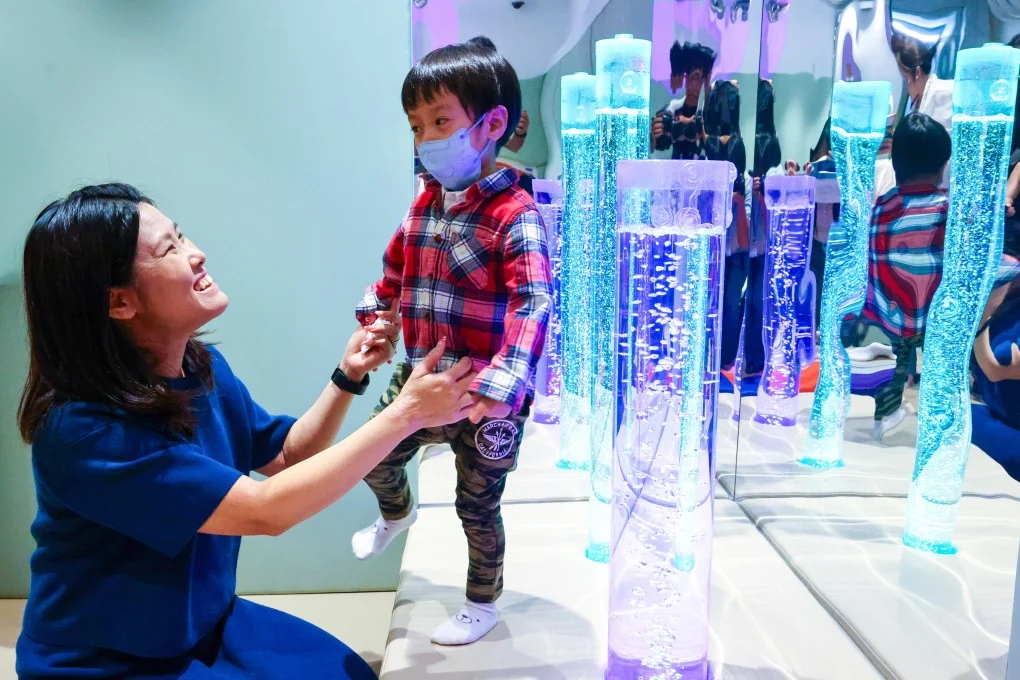
Hong Kong International Airport has recently inaugurated a new sensory corner designed to alleviate the stress and anxiety faced by travelers with invisible disabilities, such as autism and dementia. This initiative comes at a time when there is an increasing need to provide more inclusive travel environments, as this group of travelers faces unique challenges during their journeys.
The new sensory corner spans approximately 30 square meters and has been designed as a tranquil refuge for travelers needing a break from the surrounding airport pressures. Kris Au Yong, the airport authority's general manager, stated that this step reflects the airport's commitment to enhancing passenger experience and meeting the needs of all travelers, including those with special conditions.
Event Details
The sensory corner includes a variety of elements aimed at providing a comfortable environment, such as dim lighting and calming colors, as well as seating and relaxation areas. The corner is also equipped with sensory toys and tools designed to help reduce anxiety, making it an ideal spot for travelers who need a moment of peace before continuing their journey.
This initiative is part of broader global efforts, with many major airports around the world, such as Changi Airport in Singapore and Heathrow Airport in London, establishing sensory rooms or quiet areas to support travelers with special needs. These steps reflect a shift in how airports engage with travelers, focusing more on inclusivity and comfort.
Background & Context
Historically, airports have been seen as crowded and noisy places, presenting significant challenges for travelers with invisible disabilities. As awareness of these issues grows, airports worldwide have begun taking tangible steps to improve the travel experience for these individuals. The establishment of sensory corners reflects a deeper understanding of travelers' needs and enhances access to travel services.
In recent years, there has been a growing interest from governments and non-governmental organizations in supporting the rights of people with disabilities. This trend reflects a global commitment to achieving social justice and providing more inclusive environments for everyone.
Impact & Consequences
The opening of the sensory corner at Hong Kong Airport represents a positive step towards raising awareness and inclusivity in the travel sector. This initiative is expected to inspire other airports around the world to adopt similar models, contributing to an improved travel experience for many individuals facing daily challenges.
Additionally, this move may lead to an increase in the number of travelers who feel comfortable and confident in traveling, thereby enhancing air traffic and tourism overall. Providing a comfortable and safe environment for travelers can have a positive impact on both the local and international economy.
Regional Significance
In the Arab region, issues of disability and inclusivity still require more attention. The experience at Hong Kong Airport could serve as a model for Arab airports, potentially improving the travel experience for travelers with special needs. Enhancing inclusivity in Arab airports can reflect the commitment of Arab countries to achieving social justice and providing suitable travel environments for all.
In conclusion, the opening of the sensory corner at Hong Kong Airport is an important step towards promoting inclusivity in travel and should serve as an inspiration for airports worldwide, including those in the Arab region, to adopt similar practices.