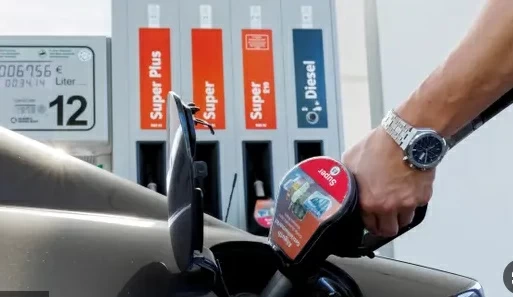
Hong Kong sits at the top of the list for the highest gasoline price per liter globally, with a gallon costing around $15.37, equivalent to $4.1 per liter. This record level makes filling up a small car's tank easily exceed $100.
Similar to many countries worldwide, Hong Kong is not an oil-producing nation. However, the standard gasoline price is a mix of several factors, including high taxes and policies aimed at transitioning to clean energy.
Event Details
The income level can explain some of the fuel pricing in Hong Kong, making it a livable city for its residents. Nevertheless, other lower-income countries face significant challenges in traditional transportation, with Malawi ranking second globally with a price of $2.858 per liter.
In this context, the European Commission has issued a warning of an impending financial disaster if the current energy crisis continues, as most countries on the continent suffer from successive crises and inflationary pressures weighing down the economy.
Background & Context
Data shows that Western European countries consistently rank among the highest in gasoline prices, as governments there rely on fuel taxes as a primary source of revenue and to restrict emissions. According to statistics from Global Petrol Prices published in a Statista report, countries like Norway, Denmark, the Netherlands, and Germany have gasoline prices exceeding $7 to $9 per gallon, making Europe the second most expensive region in the world after East Asia.
Germany, according to the same data, is one of the most expensive European economies in terms of fuel prices, reflecting a tightening of taxes that accompanies plans to transition to alternative energy.
Impact & Consequences
Although all countries purchase oil from global markets at nearly the same price, what distinguishes each nation is the equation of taxes and subsidies. This directly impacts the cost of living and the purchasing power of citizens.
These high prices affect transportation behavior and spending, with many turning to alternative options such as public transport or electric vehicles, reshaping daily life patterns.
Regional Significance
Looking at the Arab region, there is growing concern about the impact of rising fuel prices on local economies. Many Arab countries heavily rely on fuel imports, making them vulnerable to global price fluctuations.
In conclusion, high gasoline prices are not just numbers; they reflect economic and social challenges affecting the lives of millions worldwide.