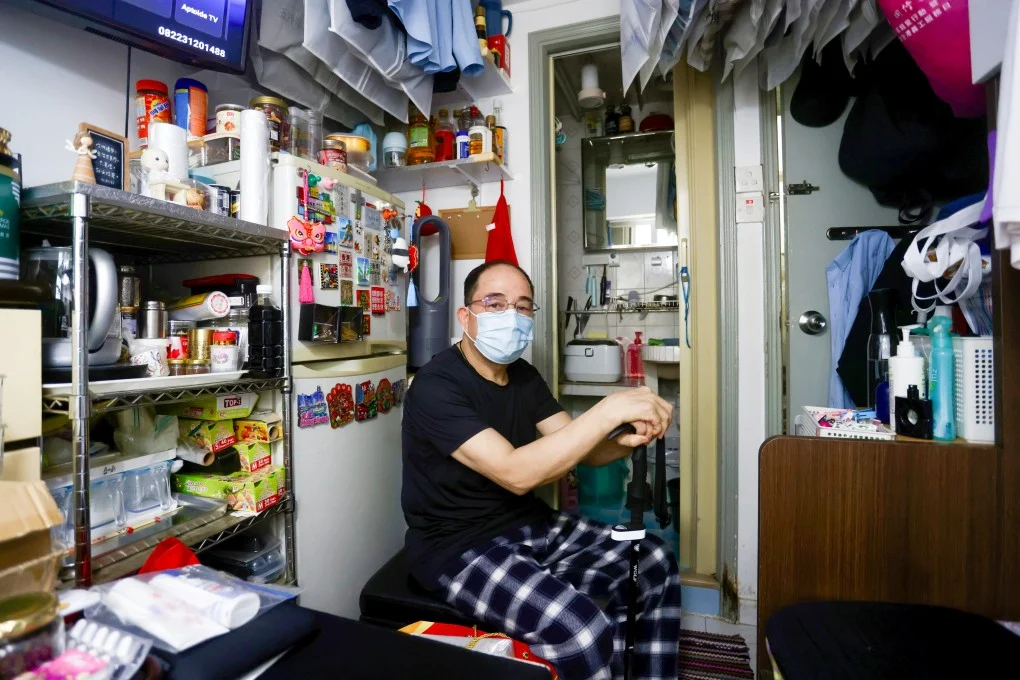
Hong Kong's government has announced new changes to its transport support system, which previously allowed seniors to pay a nominal fee of HK$2 (approximately 26 US cents) for public transport use. These amendments, set to take effect starting Friday, will increase costs by HK$1.20, provoking discontent among many seniors, such as John How, a 66-year-old security guard at a hotel.
John, who resides in the Sham Shui Po district of Kowloon, relied on this support to reduce his daily commuting costs between his home and his workplace in Wan Chai on Hong Kong Island. Although the financial increase may not seem substantial to him, the psychological impact of these changes has been evident, as he expressed his frustration with the government's decision.
Details of the Changes
These changes come at a sensitive time for seniors in Hong Kong, many of whom are experiencing increasing financial pressures. The previous system provided them with some relief amidst rising living costs, but the new adjustments may complicate their mobility. The government justifies this move as a means to enhance public transport services and allocate additional resources for infrastructure development.
Many seniors have voiced their concerns that this increase will affect their ability to travel freely, potentially limiting their job opportunities or participation in social activities. There are also fears that these changes could exacerbate social isolation among the elderly.
Background & Context
Historically, Hong Kong has been known for its effective support system for vulnerable groups, including seniors. However, increasing economic challenges, such as rising living costs, have prompted the government to reconsider its policies. In recent years, the city has seen a rise in the number of elderly individuals living alone, making government support more crucial than ever.
In 2021, statistics indicated that approximately 18% of Hong Kong's population were seniors, meaning any changes in government policies directly impact a significant portion of the community. Additionally, there are growing calls from civil society to maintain financial support for seniors, especially given the challenging economic conditions.
Impact & Consequences
The changes to the transport support system could lead to widespread repercussions on the lives of seniors in Hong Kong. This cost increase is likely to affect their ability to access essential services, such as healthcare and shopping. Furthermore, the psychological impact resulting from these changes could lead to heightened levels of anxiety and depression among the elderly.
Moreover, this move may increase pressure on the government to provide further support for seniors, particularly if protests and demands for policy adjustments arise. It is crucial for the government to monitor community reactions and be prepared to adapt to the needs of its citizens.
Regional Significance
The issue of supporting seniors is one of the significant challenges facing many countries worldwide, including Arab nations. In numerous Arab countries, there remains a lack of government programs dedicated to supporting the elderly, making the experience in Hong Kong particularly relevant. These changes in Hong Kong could serve as a lesson for Arab countries regarding the importance of providing support for seniors, especially amidst increasing economic challenges.
Ultimately, there remains hope that the Hong Kong government will listen to the voices of seniors and reconsider these changes, ensuring that the city remains a place where everyone, including the elderly, can live with dignity.