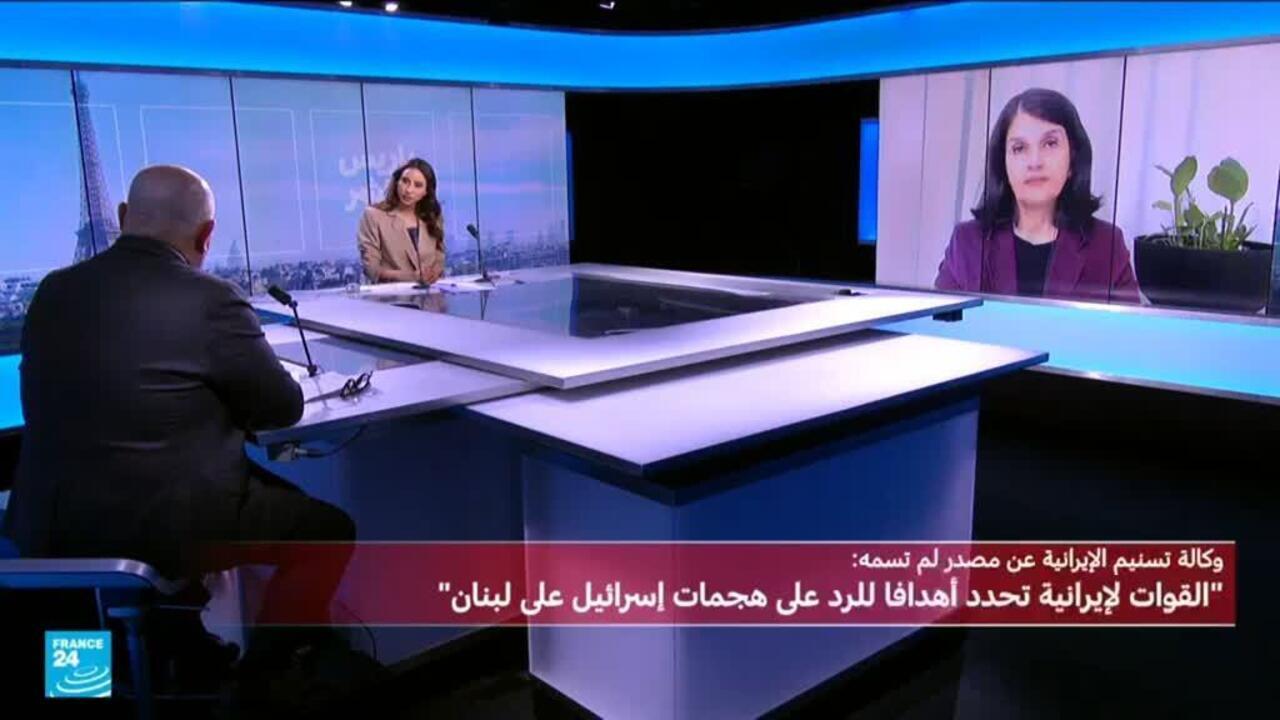
Hospitals in the Lebanese capital, Beirut, have been overwhelmed with hundreds of injured individuals as a result of Israeli airstrikes targeting multiple areas. The Lebanese Ministry of Health has called on residents to make way for ambulances to reach the affected neighborhoods. The streets of the capital have been choked with traffic following these airstrikes, negatively impacting rescue operations.
In an official statement, the Ministry of Health urged citizens to ensure that ambulances can pass freely, noting that the congestion caused by the unprecedented airstrikes is obstructing rescue efforts. Reporters from Agence France-Presse have indicated that the situation in the capital requires a swift response to meet the needs of the injured.
Details of the Incident
The Israeli airstrikes continue to target various regions in Lebanon, leading to a rise in the number of injured and casualties. Reports indicate that these strikes may be the most intense in a long time, raising concerns about the humanitarian situation in the country. Hospitals, which are under significant pressure, are working to accommodate the increasing number of injured, as the situation necessitates urgent medical care.
In light of these circumstances, the Ministry of Health has called for blood donations to meet the needs of the injured. A grassroots campaign has seen citizens flocking to donation centers, reflecting the spirit of solidarity within the Lebanese community during times of crisis.
Background & Context
Historically, Lebanon has experienced numerous conflicts and military strikes, which have impacted its infrastructure and healthcare system. Israeli airstrikes are not new, but their recent escalation raises fears of a larger regional conflict. Lebanon, already grappling with economic and political crises, faces additional challenges in dealing with the repercussions of these airstrikes.
These events come at a sensitive time for Lebanon, as the people strive to recover from multiple crises they have faced. The current situation highlights the urgent need for international community support to mitigate the impact of these airstrikes on civilians.
Impact & Consequences
The Israeli airstrikes have a direct impact on the humanitarian situation in Lebanon, with increasing numbers of displaced individuals and the injured. Hospitals, which are facing resource shortages, encounter significant challenges in providing necessary care. Additionally, the deteriorating security situation may exacerbate social and economic crises in the country.
The repercussions extend beyond Lebanon, affecting the entire region. Rising tensions could provoke reactions from other countries in the area, complicating the situation further. The international community is called upon to intervene to ensure the protection of civilians and to provide necessary humanitarian assistance.
Regional Significance
The events in Lebanon raise concerns in neighboring Arab countries, as fears of escalating conflicts grow. Israeli airstrikes could provoke reactions from resistance movements in the region, increasing the likelihood of new conflicts erupting. This situation requires Arab nations to take clear stances to support Lebanon in its time of distress.
Ultimately, hope remains pinned on the international community's ability to intervene effectively to protect civilians and provide necessary aid. Arab solidarity during such times is essential to face common challenges.