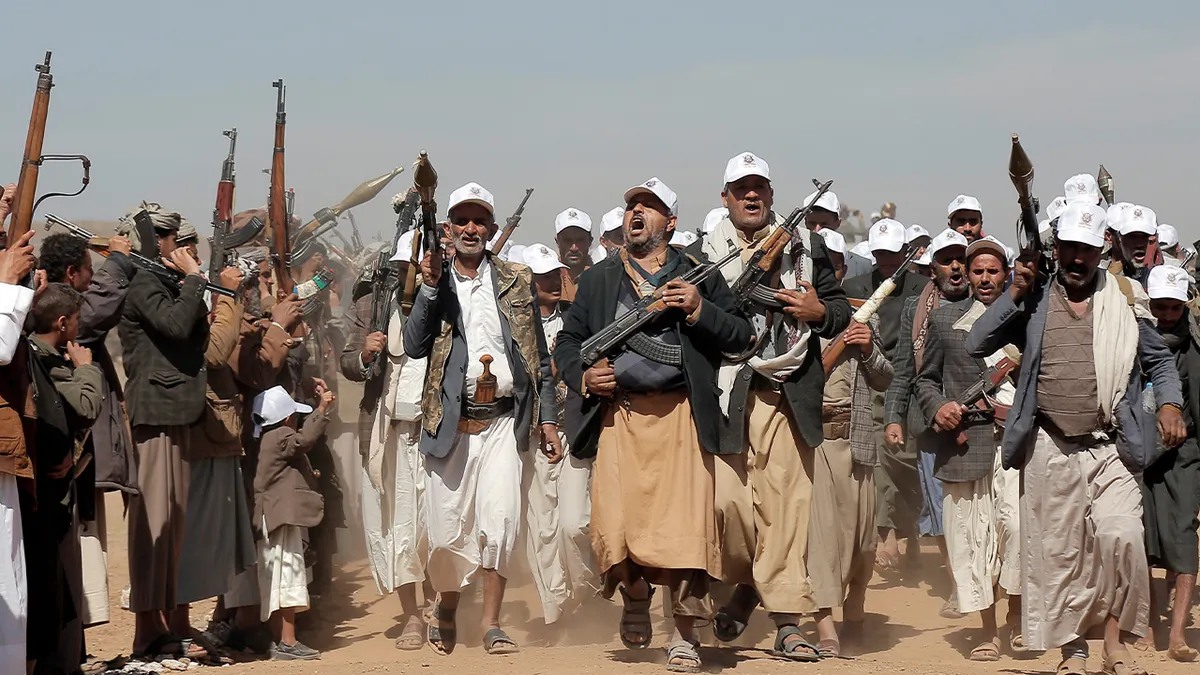
The Houthis have announced military attacks on Israel, indicating their collaboration with both Iran and Hezbollah. These statements come at a time when the Middle East is witnessing escalating tensions, raising concerns about the implications of these attacks on regional stability.
In an official statement, the Houthis confirmed that they have carried out military operations against Israeli targets, reflecting an escalation in their military posture. The Houthis have long accused Israel of interfering in Arab affairs. This move is seen as part of the Houthis' strategy to bolster their military presence in the region, especially given the ongoing Iranian support for them.
Details of the Attacks
According to reports, the Houthis utilized drones and missiles in these attacks, demonstrating an evolution in their military capabilities. They stated that these operations are a response to what they described as Israeli aggressions against the Palestinian people, highlighting the Houthis' connection to the Palestinian cause.
The Houthis also emphasized that their cooperation with Iran and Hezbollah reflects a strategic alliance aimed at countering common threats posed by Israel and Western countries. This collaboration could complicate the security landscape in the region and enhance the Houthis' ability to conduct larger military operations.
Background & Context
Historically, the Houthis have been linked to Iran, receiving military and logistical support from Tehran since the onset of the conflict in Yemen. This support has bolstered their military capabilities, making them a significant force in the regional conflict. Hezbollah, regarded as one of Iran's foremost allies in the region, has played a role in training the Houthis and providing them with military technology.
These developments come at a sensitive time, as Israel continues to carry out military operations against targets in Gaza and the West Bank, further intensifying tensions in the area. The Houthis, who see themselves as part of the resistance axis, are seeking to strengthen their position through these attacks.
Impact & Consequences
The Houthi attacks on Israel could lead to greater military escalation in the region, threatening stability in neighboring countries. This escalation may provoke military responses from Israel, increasing the likelihood of a larger conflict.
Moreover, these developments could impact relations between Arab states and Iran, as some countries may find themselves compelled to adopt harsher stances towards Tehran. The rising tensions may also affect peace efforts in the region and complicate humanitarian situations in Yemen and Palestine.
Regional Significance
These attacks serve as a message from the Houthis to other Arab nations, indicating their capability to conduct military operations beyond their borders. This could raise concerns among neighboring countries, especially those grappling with internal conflicts or tensions with Iran.
At the same time, these developments may foster increased cooperation among Arab states to address common threats. The escalation of tensions could also lead to heightened Arab support for the Palestinian cause, as they seek to strengthen their position against Israeli aggressions.
In conclusion, the Houthi attacks on Israel represent a turning point in the regional conflict, highlighting the security challenges facing the area. It is crucial to monitor the developments of this situation and its impact on regional stability.