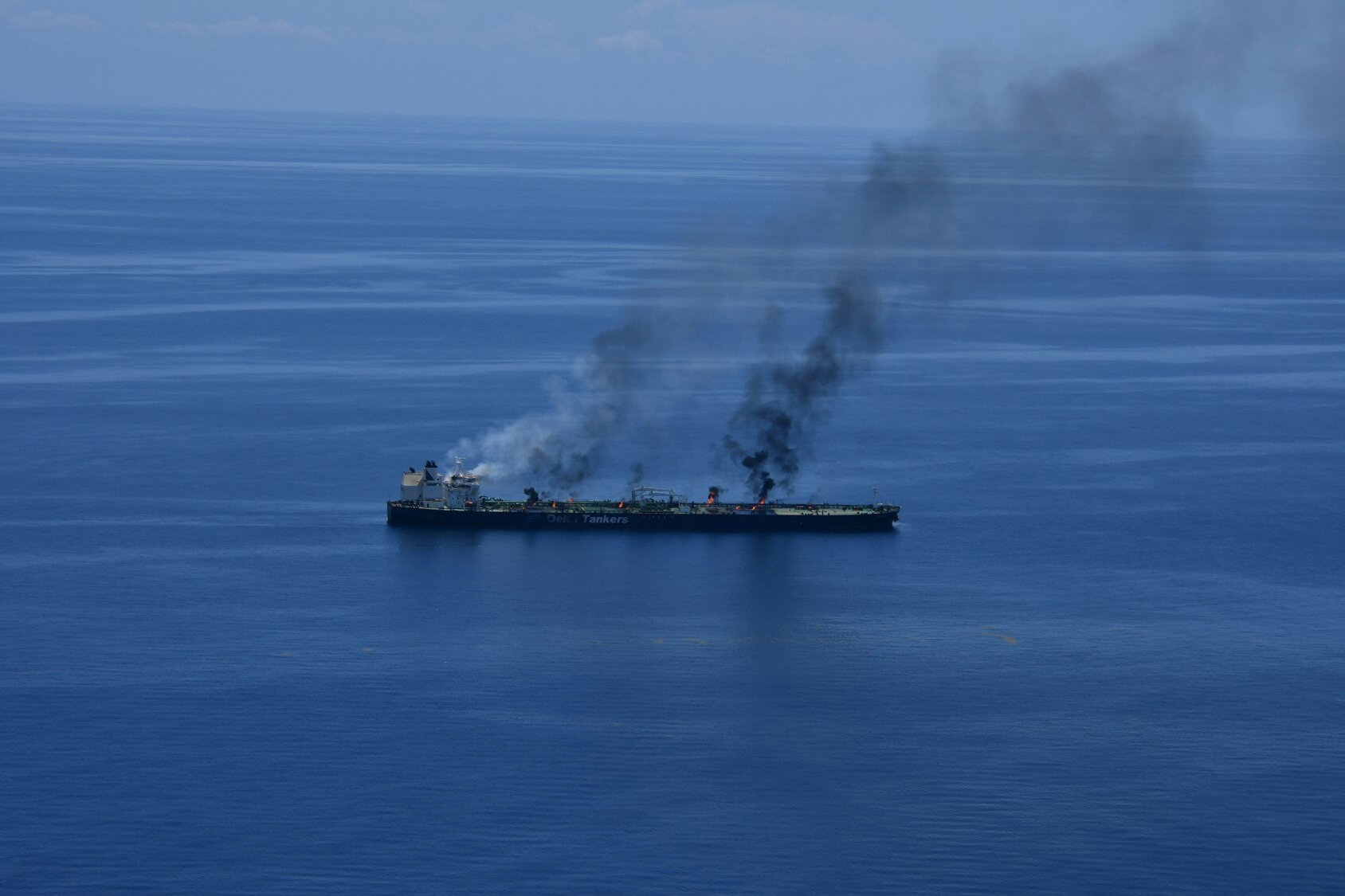
The Iran-backed Houthis have reported launching attacks on Israeli targets, asserting their intention to broaden the scope of their operations in the region. These statements come at a sensitive time, as concerns grow that the Houthis may contribute to escalating conflict in the Red Sea, threatening international shipping routes.
In an official statement, the Houthis confirmed that they targeted Israeli sites, indicating that these attacks are part of their response to what they perceive as Israeli aggression against Palestinians. The Houthis claimed they possess the capability to carry out further attacks in the future, raising alarm among international observers.
Details of the Incident
Concerns are mounting that the Houthis, who control large areas of Yemen, may use their military capabilities to disrupt navigation in the Red Sea, a vital corridor for global trade. Experts have warned that any escalation in this context could have serious repercussions for the global economy, especially amid the current crises affecting markets.
It is noteworthy that the Houthis have previously targeted commercial vessels in the Red Sea, leading to heightened tensions in the region. In this context, these attacks are seen as part of the Houthis' strategy to exert pressure on their regional and international adversaries.
Background & Context
The Houthis were established as a political and military movement in Yemen in the early 2000s and have emerged as a major force in the Yemeni conflict that began in 2014. Since then, the Houthis have received military and financial support from Iran, complicating the conflict in the region.
Over the years, the relationship between the Houthis and Israel has seen increasing tensions, as Israel views the Houthis as part of the resistance axis that includes Iran and its allies in the region. This context makes the Houthi attacks on Israel part of a broader struggle between regional powers.
Impact & Consequences
These developments serve as a warning to the international community about the potential risks that may arise from Houthi escalation. If the Houthis continue their attacks, it could lead to military intervention by other countries, further complicating the situation in the region.
Moreover, any escalation in the Red Sea could impact oil prices and commodity markets, negatively affecting the global economy. This escalation may also exacerbate humanitarian crises in Yemen, where populations are suffering from severe shortages of essential resources.
Regional Significance
Arab nations are directly affected by Houthi escalation, which could lead to increased tensions in the Gulf Arab states. Additionally, these events may contribute to deepening divisions among Arab nations, especially amid existing tensions between Iran and Sunni Arab states.
In conclusion, the Houthi escalation poses a threat to regional and international security, necessitating a response from the international community to ensure stability in the region. There must be intensified diplomatic efforts to prevent the situation from worsening and to avoid any escalation that could lead to a widespread conflict.