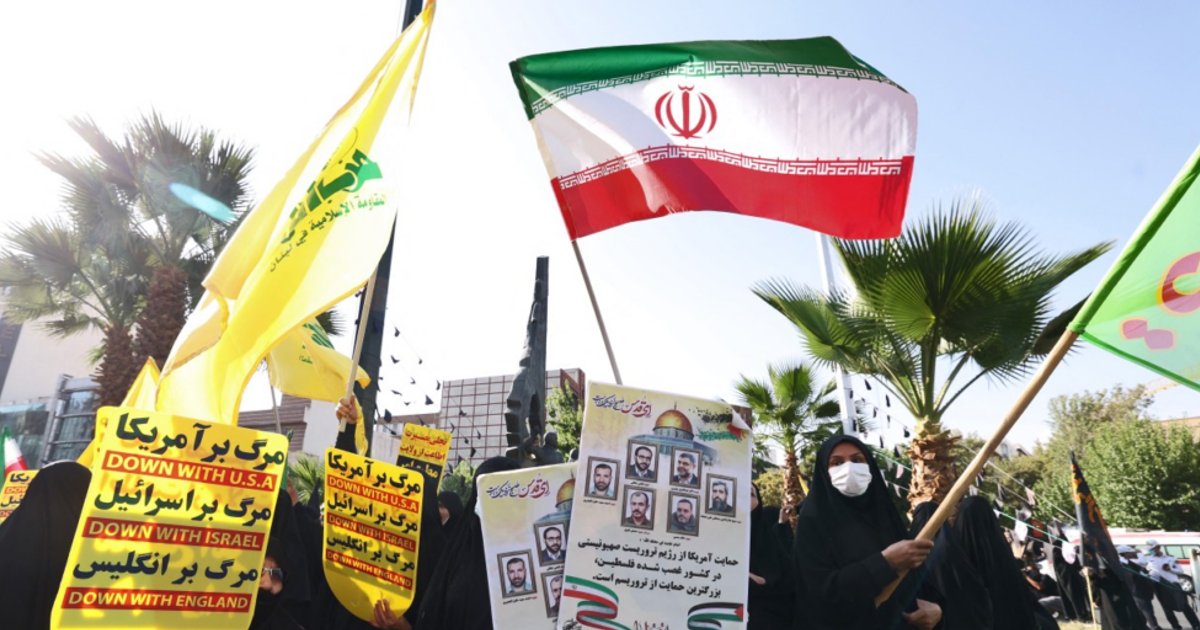
Houthi leader Abdul-Malik al-Houthi announced that the group has carried out attacks in collaboration with Iran and Hezbollah against sensitive targets in Israel. These statements come amid rising tensions in the region, with increasing warnings of a potential military escalation.
Al-Houthi confirmed in his remarks that the military operations carried out by the group were in response to what he described as "Israeli aggression," indicating that coordination with Iran and Hezbollah reflects a united effort to confront what they perceive as common threats.
Details of the Attacks
In his speech, al-Houthi noted that the attacks targeted strategic sites in Israel, without providing specific details about the nature of these targets or the outcomes of the attacks. Nevertheless, the statements reflect an escalation in military rhetoric from the Houthis, who have long considered themselves part of the resistance axis against Israel.
These remarks come at a sensitive time, as tensions in the region are escalating, particularly following recent events in Gaza and increasing pressures on the Israeli government. Al-Houthi, who has led his group for years, seeks to bolster his position within Yemen by showcasing military strength.
Background & Context
The Houthi group was established in the early 1990s and has emerged as a major force in the Yemeni conflict since 2014, when they seized control of the capital Sanaa. Since then, Yemen has witnessed a devastating war, leading to an unprecedented humanitarian crisis.
On the other hand, Iran and Hezbollah are considered key supporters of the Houthis, providing military and political support to the group. This cooperation reflects a broader strategy by Tehran to enhance its influence in the region by supporting its allies in various conflicts.
Impact & Consequences
The recent statements by al-Houthi underscore the potential for escalating conflict in the region, as joint attacks could provoke military responses from Israel. This escalation could drag the region into a larger conflict, further increasing the suffering of civilians in Yemen and Palestine.
Moreover, these statements may impact relations between Arab states and Iran, as some countries seek to improve their relations with Tehran, while others view support for the Houthis as a threat to their national security.
Regional Significance
Concerns are growing that military escalation in the region could destabilize neighboring countries, such as Saudi Arabia and the United Arab Emirates. Additionally, these events may reopen discussions about the role of regional powers in Arab conflicts and their impact on regional security.
At the same time, these developments could increase pressure on the international community to intervene, either through mediation or by imposing sanctions on the parties involved in the escalation.
In conclusion, the recent statements by al-Houthi reflect a shift in the military dynamics in the region, necessitating close monitoring by observers and analysts, as any escalation could have serious repercussions for regional and international security.