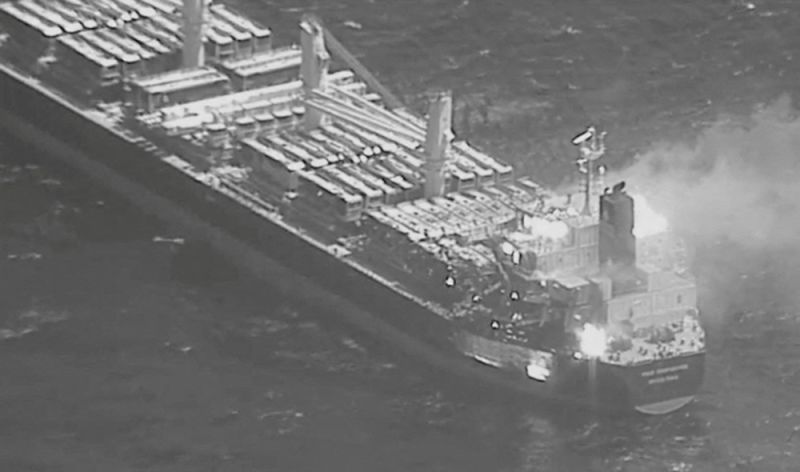
In a new escalation of tensions in the Middle East, the Yemeni Houthi group has launched a missile attack on targets within Israel, raising fears of potential renewed attacks on shipping in the Red Sea. The attack occurred at a sensitive time, as tensions between the Houthis and regional countries are escalating, signaling serious implications for maritime security.
The Houthi attack followed a series of threats issued by the group's leaders, who asserted their capability to target any location they deem appropriate. The attack resulted in material damage, but there have been no reports of human casualties so far. This escalation raises concerns among countries that rely on the Red Sea as a major trade route.
Details of the Incident
The Houthi missile attack on Israel represents a shift in the military strategy of the group, which had previously focused on targets within Yemen and Saudi Arabia. This attack comes at a time when the region is witnessing an escalation of conflicts, reflecting the Houthis' desire to expand the scope of their military operations.
Initial analysis of the attack suggests that the Houthis aim to send a strong message to their adversaries, especially in light of Iranian support for the group. The group utilized advanced missiles, indicating their progress in military technology and their ability to carry out long-range operations.
Background & Context
Historically, the Red Sea region has witnessed numerous maritime conflicts, as it is considered one of the most important maritime corridors in the world. The global economy heavily relies on shipping through the Red Sea, making any threat to maritime security a significant concern.
The political upheavals in Yemen and the ongoing conflict between the Houthis and the Yemeni government backed by the Arab coalition have exacerbated the situation. The Houthis, who control large parts of northern Yemen, receive military and logistical support from Iran, complicating the conflict further.
Impact & Consequences
The Houthi attack on Israel could provoke military reactions from concerned countries, potentially escalating tensions in the region. Additionally, this escalation may impact shipping movements in the Red Sea, as countries might take precautionary measures to protect their vessels.
The economic repercussions of the attack could be significant, as any disruption to shipping could lead to increased transportation costs, affecting commodity prices in global markets. Furthermore, this escalation may negatively impact investments in the region, as foreign companies may avoid investing in conflict zones.
Regional Significance
For Arab countries, this attack poses a major challenge to regional security. Neighboring countries such as Saudi Arabia and Egypt may feel an increased threat from the rising military activities of the Houthis, prompting them to bolster their defensive capabilities.
This escalation may also affect peace efforts in Yemen, as any future negotiations between the conflicting parties could become more complicated. Under these circumstances, it becomes essential for Arab nations to enhance security cooperation to address shared challenges.