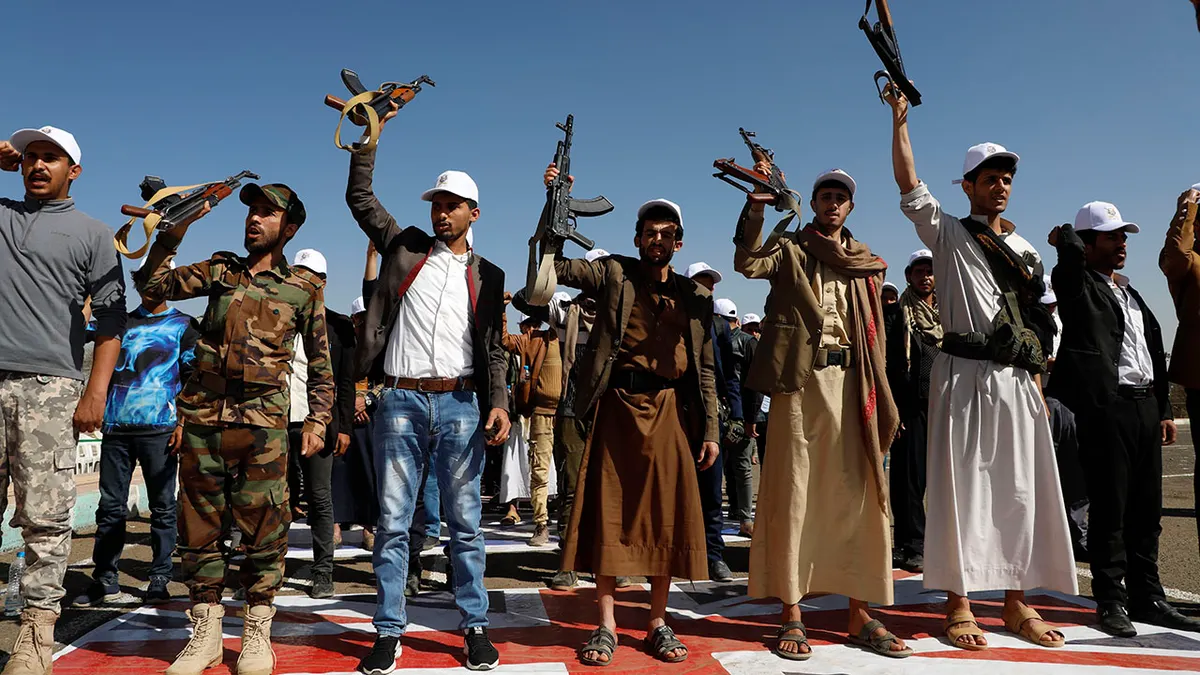
In an unprecedented move, Iranian-backed Yemeni Houthis launched a missile attack on Israel last Saturday, marking the first such attack since the outbreak of the ongoing conflict in the region. These developments come at a sensitive time, as the area is witnessing a notable escalation in tensions, raising questions about the potential ramifications of this attack on both regional and international fronts.
The Houthis, who have controlled large areas of Yemen including the capital Sana'a since 2014, have declared their support for the Palestinian cause and anti-Israel efforts, reflecting their increasing role in the regional conflict. This attack also underscores the growing alliances between the Houthis and Iran, indicating the possibility of expanding the conflict to include new parties.
Details of the Attack
The Houthi attack followed a series of fiery statements from Houthi leaders, who reaffirmed their steadfast position in support of the Palestinian cause. Reports indicate that the attack targeted areas in northern Israel, causing panic and concern among the population. This move reflects a shift in Houthi strategy, which had previously focused on the internal conflict in Yemen.
On the other hand, Israel responded to this attack with strong statements, asserting its right to defend itself, which opens the door to the possibility of greater military escalation in the region. The Houthi attack may provoke reactions from other Arab states, especially those suffering from internal conflicts or tensions with Iran.
Background & Context
Historically, Yemen has been a center for regional and international conflicts, with several external powers intervening in its affairs. The Houthis, who belong to the Zaidi sect, have managed to control large parts of Yemen with support from Iran, raising concerns among neighboring countries, particularly Saudi Arabia. Since 2014, Yemen has been embroiled in a devastating war that has led to an unprecedented humanitarian crisis, with millions of Yemenis suffering from severe shortages of food and medicine.
In recent years, the region has witnessed an escalation in tensions between Iran and the United States, affecting the situation in Yemen. The Houthis, considered allies of Iran, are seeking to expand their influence in the region, complicating the ongoing conflict.
Impact & Consequences
The Houthi attack on Israel could have serious implications for regional security. Israel is likely to respond militarily, which could escalate the conflict further in the region. Additionally, this attack may encourage other groups to take similar actions, further complicating the security situation in the Middle East.
Moreover, this attack could affect the relationships between Arab states and Iran. Some countries may feel concerned about the rising Iranian influence in the region, potentially leading to new alliances or additional tensions. Furthermore, this attack could impact peace efforts in the region, as achieving any progress in negotiations may become increasingly difficult.
Regional Significance
The Arab region is currently experiencing a state of instability, with many countries grappling with internal and external challenges. The Houthi attack on Israel could complicate these challenges further, potentially leading to escalated conflicts in other countries such as Iraq and Syria.
This attack may also influence the stance of Arab countries on the Palestinian issue, potentially leading to a new division between countries that support the cause and those seeking normalization with Israel. Under these circumstances, the question remains how Arab nations will respond to this escalation and whether they will take effective steps to protect their interests.
In conclusion, the Houthi attack on Israel represents a turning point in the regional conflict, reflecting the complexities of relationships among various powers in the region. The current situation requires Arab countries to take clear and effective positions to address these growing challenges.