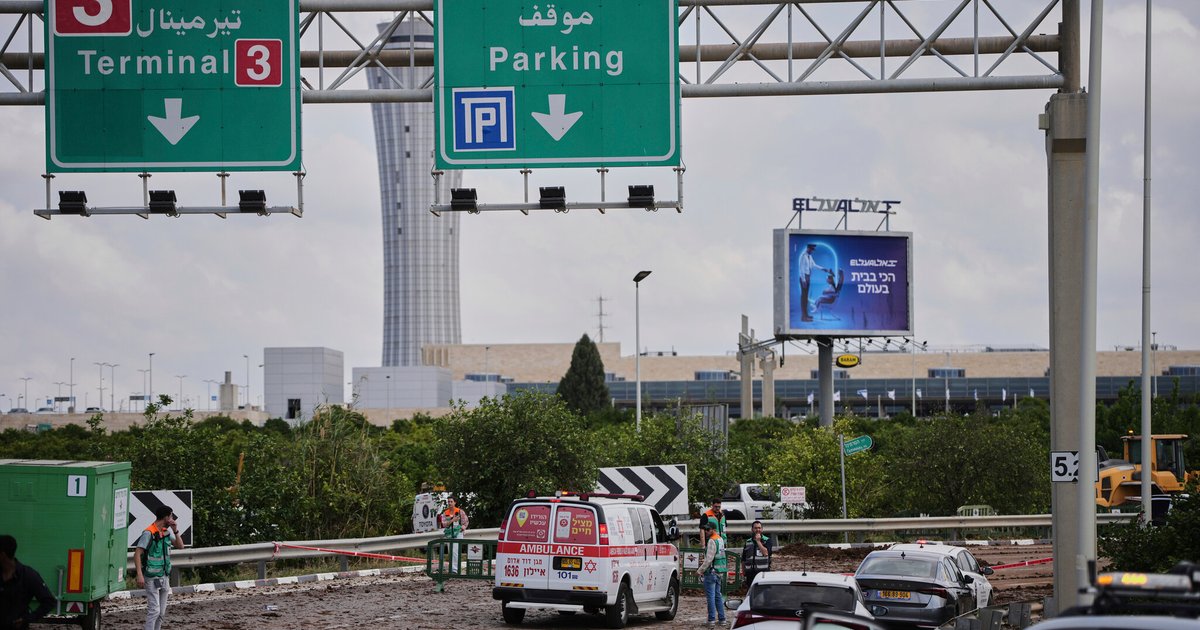
The region has witnessed unprecedented escalation following a Houthi missile attack on Israel, the first of its kind since the Iran War. This attack comes at a time when energy and shipping markets face increasing threats, raising concerns about its implications for regional and international stability.
The Houthi attack, executed using advanced missiles, targeted areas in northern Israel, prompting the activation of the Israeli air defense system. Military sources confirmed that the attack did not result in significant injuries or damage, but international reactions were swift, with many countries condemning this escalation.
Details of the Incident
In detail, reports indicated that the Houthis launched several missiles towards targets in northern Israel, marking a shift in the group's strategy, which had previously focused on targeting Saudi Arabia. This attack occurred at a sensitive time, as tensions in the region escalate due to the ongoing conflict in Yemen and other regional disputes.
On the other hand, a spokesperson for the Houthis stated that this attack is a reaction to what they described as Israeli aggressions against the Palestinian people. The Houthis indicated that they possess the capability to carry out more attacks if these aggressions continue, increasing tensions in the region.
Background & Context
Historically, relations between the Houthis and Israel have been marked by increasing tensions, especially after the group became part of the resistance axis that includes Iran and Hezbollah. Since the onset of the conflict in Yemen, Israel has closely monitored Houthi activities, particularly with Iranian support for the group.
This attack comes at a time when the region is suffering from multiple crises, ranging from the conflict in Syria and Iraq to tensions between Iran and the United States. These crises have contributed to creating an unstable environment, making attacks like this more likely.
Impact & Consequences
The potential ramifications of this attack could be extensive. Militarily, it could lead to an escalation between Israel and the Houthis, threatening regional security. Additionally, this escalation could impact global energy markets, as any uptick in tensions in the region could lead to rising oil prices.
Moreover, the attack could bolster the Houthis' position within Yemen, as it may be seen as a military victory that enhances the group's legitimacy. This escalation could also prompt major powers to reassess their strategies in the region, particularly regarding military alliances and financial support.
Regional Significance
For the Arab region, this attack reflects the rising tensions among regional powers. Arab countries suffering from internal conflicts may find themselves compelled to confront the repercussions of this escalation, potentially affecting their economic and political stability.
Ultimately, this attack represents a turning point in the regional conflict, highlighting the security challenges faced by Arab states amid the rising military activities of armed groups. It necessitates international and regional coordination to effectively address these threats.