The complex relationship between politics and journalism often fuels wars, where lies serve as tools to justify conflicts. In a new episode of the program 'In the Shadows of War,' this topic was explored through the experience of Iraq, where a single lie led to the destruction of an entire country.
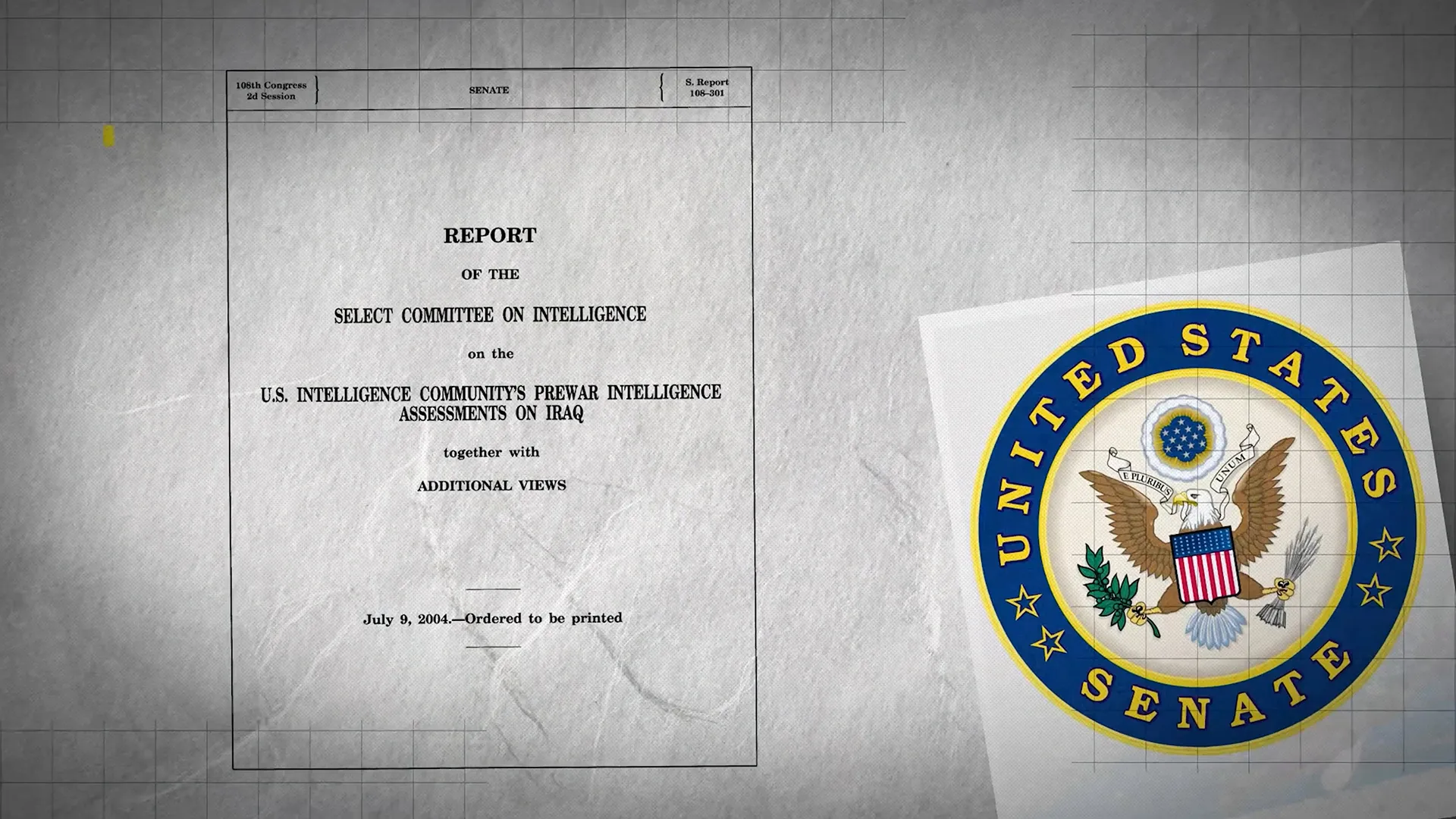
In 2003, the administration of former U.S. President George W. Bush relied on the testimony of an Iraqi chemical engineer named Rafid Alwan, who had never been interviewed by the CIA. This testimony served as the basis for Colin Powell's speech before the UN Security Council, ultimately leading to the invasion of Iraq.
Details of the Event
Despite official documents confirming the absence of any evidence supporting Alwan's claims, the press, including the New York Times, contributed to the spread of these lies. Journalist Judith Miller received information from government sources, which led her to publish reports that supported the official narrative, allowing the government to later cite those reports as facts.
Iraqi businessman Ahmad Chalabi played a crucial role in this network, providing Miller with most of the information she published about Iraq. Meanwhile, scientific reports confirming the unsuitability of the tubes seized by U.S. intelligence for uranium enrichment were ignored.
Background & Context
Historically, this pattern of information manipulation is not new. Previous wars have seen the use of lies as a means to justify military interventions. In the case of Iraq, this led to the deaths of hundreds of thousands and the destruction of the country's infrastructure.
After the invasion of Iraq, this pattern continued, with repeated claims regarding Iran. In November 2024, a report from Axios claimed that an Israeli strike destroyed a secret nuclear research facility, despite the IAEA confirming that there was no evidence to support this.
Impact & Consequences
These examples illustrate how journalism can shift from being a guardian of truth to a tool for spreading lies, leading to catastrophic outcomes. Inaccurate reporting contributes to escalating conflicts and influences political and military decisions.
Moreover, figures indicate that pro-war voices were significantly louder than anti-war voices during the Iraq invasion, reflecting the media's impact on shaping public opinion.
Regional Significance
These dynamics raise questions about the role of media in the Arab world, where misinformation can escalate tensions between nations. Amid current crises, it becomes essential for media outlets to act as guardians of truth rather than mere conduits for political messaging.
In conclusion, the question remains: Will journalism continue to play its role as a guardian of truth, or will it remain a tool in the hands of political powers?