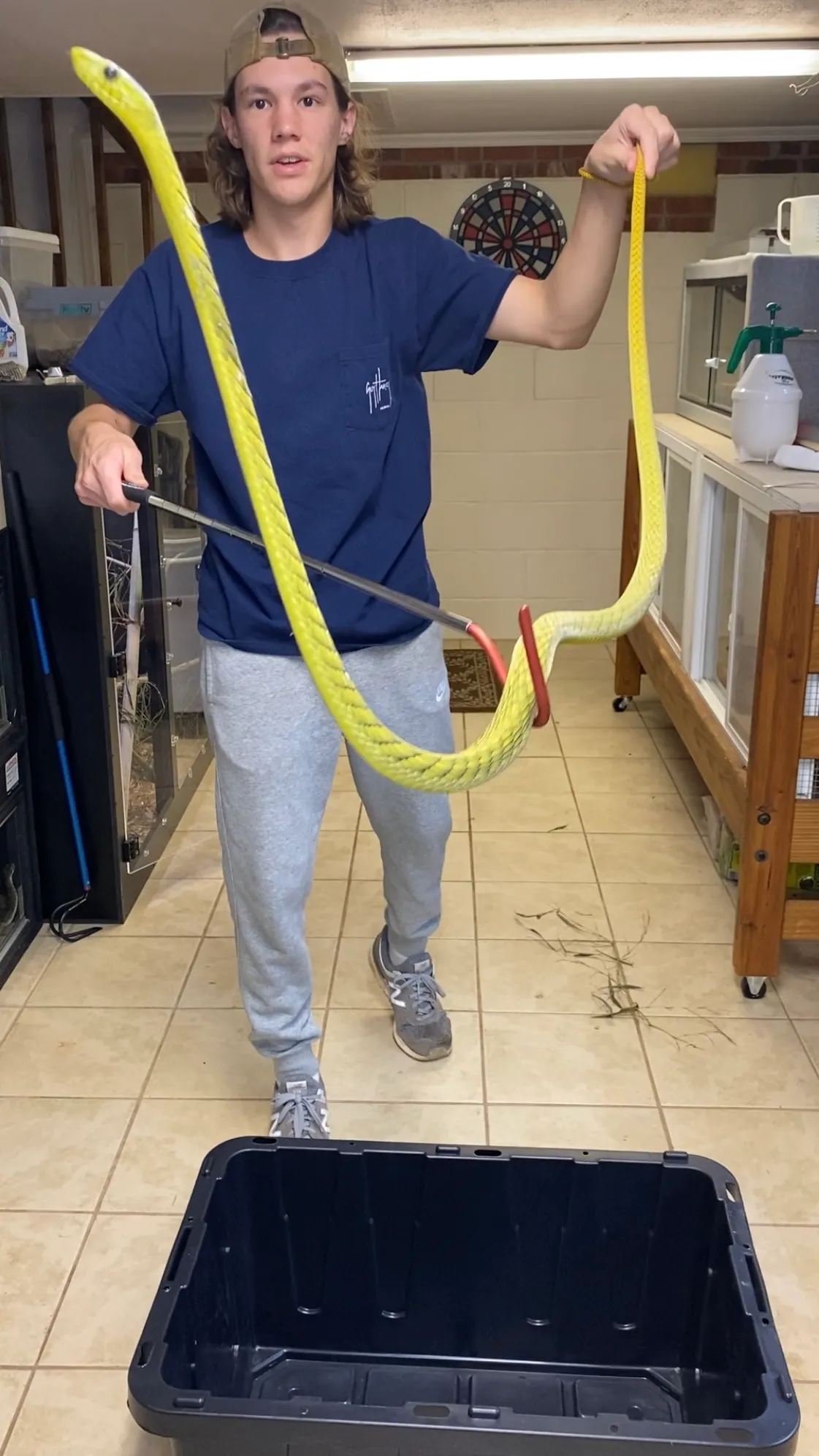
The lives of venomous snake enthusiasts are at risk after suffering fatal bites, relying on zoos for antivenom. The story of Chris Gifford, who was bitten by a deadly snake, highlights the importance of these centers in saving lives.
In 2021, Chris Gifford, a 21-year-old, was cleaning snake cages at his home in North Carolina when he was bitten by a deadly snake. The snake was a Western green mamba, known for its electric color. After feeling the snake's fangs sink into his skin, Gifford realized he was in serious danger and began counting the seconds until help arrived.
Details of the Incident
Venomous snake bites are rare in the United States, with approximately 5,000 bites from venomous species recorded in 2024. However, most hospitals are not equipped to handle bites from exotic snakes. In Gifford's case, his life depended on antivenom available at a distant zoo. The antivenom index was activated, a guide linking bite victims to zoos that have the necessary antivenom.
Gifford was able to obtain antivenom from Riverbanks Zoo in South Carolina, where it was sent via helicopter. After 30 minutes from the bite, Gifford began to feel difficulty breathing, but the antivenom helped him recover after two days of treatment in the hospital.
Background & Context
Historically, zoos have played a significant role in providing antivenom. The antivenom index was established in the 1970s after the United States saw an increase in cases of exotic snake bites. This index allows hospitals quick access to information about zoos that possess the appropriate antivenom.
Regulations regarding the ownership of venomous snakes vary from state to state, making it easier for enthusiasts to acquire these species. However, most hospitals do not have the necessary antivenom to treat bites from exotic snakes, increasing the risk of fatalities.
Impact & Consequences
Reports indicate that most victims of venomous snake bites are men, representing 79% of cases. Additionally, exposure to venomous snake bites can lead to severe side effects, such as tissue damage or even limb amputation. In Gifford's case, a delay in obtaining antivenom could have resulted in catastrophic outcomes.
Zoos in the United States are among the most important centers that provide antivenom, storing large quantities in anticipation of bite incidents. However, the cost of these antivenoms is high, placing a burden on zoos.
Regional Significance
In the Arab world, venomous snakes are part of the biodiversity, but cases of bites are rare. Nevertheless, awareness of the importance of antivenom should be part of educational and awareness programs. Collaboration between zoos and hospitals could serve as a model in Arab countries.
In conclusion, Chris Gifford's story underscores the importance of having an effective antivenom system in zoos, as these centers can be the difference between life and death in emergencies.