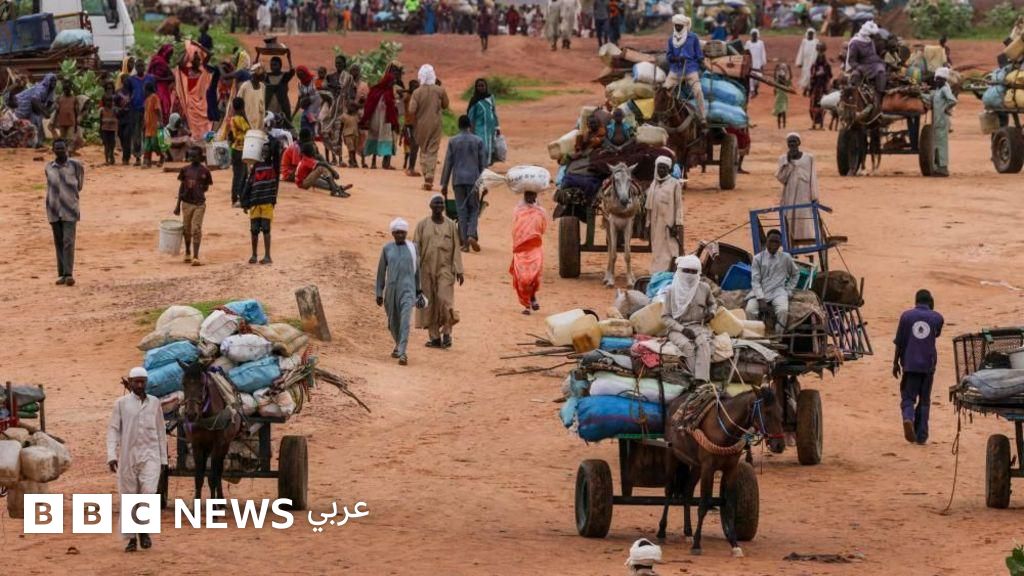
As the conflict in Sudan exceeds one thousand days, the country faces a serious humanitarian crisis. Millions of civilians are living under the burden of conflict, forced to flee and live in harsh conditions. The situation worsens with the spread of hunger and lack of basic services, casting a shadow over the lives of citizens.
Reports indicate that over 15 million people require humanitarian assistance in Sudan, while many cities, especially the capital Khartoum, have experienced a sharp decline in security and living conditions. Displacement has become a part of civilian life, with thousands being forced from their homes. With hope of return fading, Sudan transforms into a vivid image of an endless humanitarian tragedy.
Sudan, which has a long history of political and social unrest, is now the stage for a bitter conflict between rival factions, leading to widespread violence across the country. Since the outbreak of the conflict in 2021, the situation has deteriorated significantly, with the previous years witnessing numerous political transitions after the ousting of President Omar al-Bashir in 2019.
The humanitarian repercussions of the conflict cannot be overlooked, extending to power outages, water shortages, and a lack of healthcare. Many displaced individuals live in refugee camps lacking basic necessities. The harsh conditions have led to widespread disease, and ensuring food supplies remains one of the biggest challenges facing humanitarian organizations.
Additionally, the war has compounded economic problems, with the value of the local currency plummeting and unemployment rates rising dramatically. The years following the conflict revealed ramifications that the former government sought to address, but the efforts failed under wartime conditions.
In light of this tragedy, the international community has expressed concern, yet responses have not been adequate. Although many organizations continue to call for assistance, international silence remains. The stance of many countries shows a disparity in addressing the crisis, and humanitarian initiatives still require effective support.
This conflict in Sudan is strongly linked to similar crises in the region. Civil wars and armed conflicts are not unfamiliar to many Arab countries, where the same cycles of violence and instability repeat. If the situation persists as it is, the humanitarian plight may turn into a long-term nightmare.
In conclusion, Sudan today is experiencing a silent humanitarian crisis that requires united international and national efforts to alleviate the suffering of trapped citizens. With increasing disappointment, the pressing question remains: when will the horrific massacre end and what steps are needed to terminate this senseless conflict?