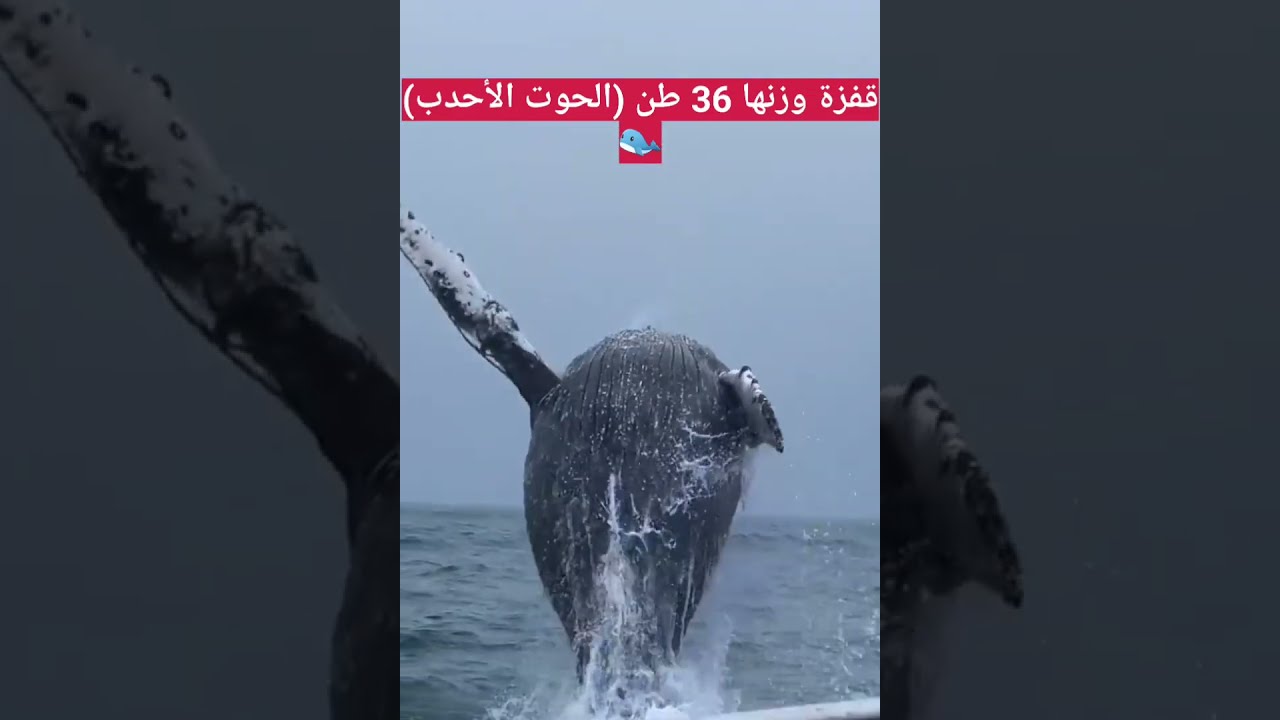
A humpback whale was found stranded again on the sands of Wismar Bay in Germany, less than 48 hours after its release. The whale, which had initially been trapped off the coast of the Timmendorfer Strand resort, attracted widespread media and public interest following repeated rescue attempts.
The whale, measuring between 12 and 15 meters in length, was first stranded early last Monday, prompting rescue teams to work urgently to free it. Despite repeated efforts, the attempts were unsuccessful until Thursday, when rescue teams used a floating excavator to dig a channel around it, allowing it to swim freely that night.
Details of the Incident
After its release, there were concerns that the whale might return to shallow waters, which indeed occurred on Saturday when it was spotted stranded once more. According to a spokesperson for Greenpeace, the whale was found in Wismar Bay, located about 40 kilometers east of its initial stranding site.
The humpback whale is not a native species to the Baltic Sea, as it is believed to have followed fish into the area in search of food. Experts have pointed out that underwater noise may also contribute to navigation problems for this type of whale.
Background & Context
Historically, humpback whales have been considered endangered species, facing numerous threats such as overfishing and habitat destruction. In recent years, sightings of them in unusual areas have increased, reflecting changes in marine environments and ecosystems.
The Baltic Sea region is one of the areas suffering from pollution and rising temperatures, which affect marine life. These conditions may be attracting whales to this area as they search for food sources.
Impact & Consequences
The repeated instances of the humpback whale becoming stranded raise questions about the health of the marine environment in the Baltic Sea. Experts warn that increasing underwater noise and pollution could lead to further problems for marine life, including whales.
This event highlights the importance of protecting marine environments and enhancing efforts to conserve endangered species. It also demonstrates the urgent need to develop effective strategies to address the environmental challenges facing our oceans.
Regional Significance
Although the humpback whale is not a common species in Arab waters, this event reminds us of the importance of preserving biodiversity worldwide. The Arab region faces similar environmental challenges, such as water pollution and the degradation of marine habitats.
Experiences like this may inspire Arab countries to enhance efforts to protect marine life and develop more sustainable environmental policies.