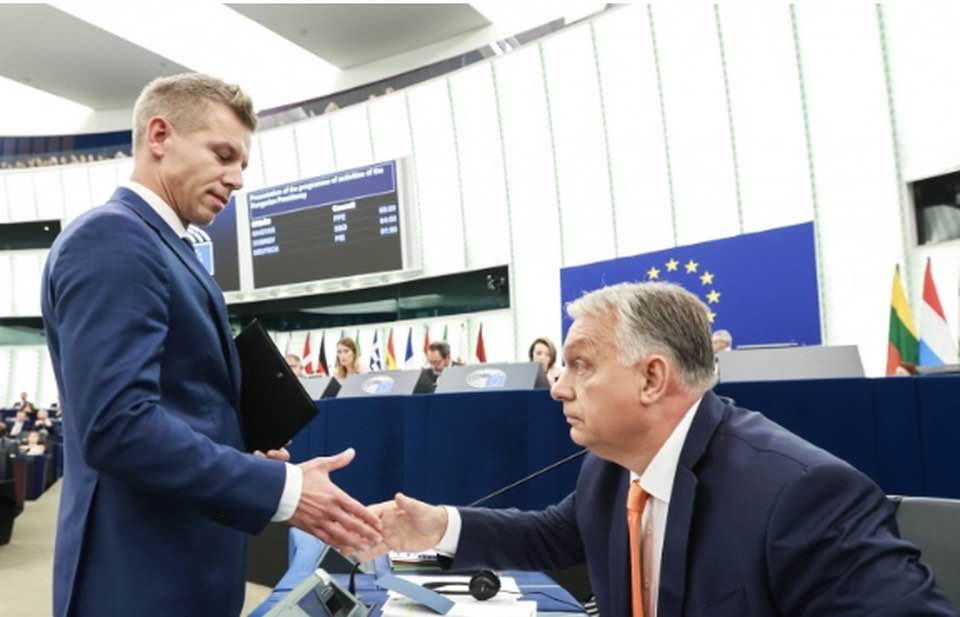
Hungarian Prime Minister Viktor Orbán is facing an unprecedented threat to his political dominance after 16 years in power, as his pro-European rival, Péter Magyari, leads in the polls ahead of elections scheduled for April 12. This comes amid rising public discontent, particularly in regions considered strongholds of Orbán's ruling Fidesz party.
As the election date approaches, pressure is mounting on Orbán, with attention turning to potential outcomes that could affect the future of his government. While Orbán's dominance in the political arena had been largely unchallenged, current circumstances may open the door for a radical change in the Hungarian political landscape.
Event Details
Polls indicate that Magyari, representing a pro-European stance, is making significant strides in the electoral race, raising concerns within the ruling party. Concurrently, the giant Chinese battery factories in eastern Hungary are causing widespread discontent among residents, many of whom believe these projects do not serve their interests and instead harm the environment and negatively impact their daily lives.
These factories are part of the government's strategy to attract foreign investments, but the results have not met expectations, as protests have surged in the areas where these factories have been established. This situation reflects a divergence of opinions regarding the government's economic policies and their impact on citizens' lives.
Background & Context
Since taking office in 2010, Orbán has pursued a very conservative policy, consolidating his power through constitutional changes and controversial laws. However, his long tenure has begun to witness a decline in popularity, especially amid the economic and social crises plaguing the country.
Historically, Hungary has been under strong influence from the European Union, but Orbán has taken hardline stances on some EU policies, leading to tensions between his government and Brussels. These political dynamics cast a shadow over the upcoming elections, as Magyari seeks to exploit these tensions to his advantage.
Impact & Consequences
If Magyari manages to win the elections, it could lead to a radical shift in Hungarian politics, including a reassessment of relations with the European Union. Such outcomes may result in changes to economic and social policies, potentially affecting foreign investments in the country.
Moreover, a victory for Magyari could pave the way for other parties in the region to strengthen their positions, possibly leading to changes in the broader European political landscape. With growing concerns over the rise of the far-right in Europe, these elections could represent a crucial turning point.
Regional Significance
The upcoming elections in Hungary hold particular significance for the Arab region, as political changes in Europe directly reflect on economic and political relations between Arab countries and Europe. Amid global economic challenges, the results of these elections could influence cooperation strategies between the two sides.
Furthermore, political transformations in Hungary may encourage some Arab countries to reassess their relations with Europe, potentially leading to changes in foreign and trade policies.
As the elections approach, Hungary appears to be on the brink of a new phase that could reshape the political landscape in the country. In light of current challenges, the most pressing question remains: Will Orbán be able to maintain his power, or is change on the horizon?