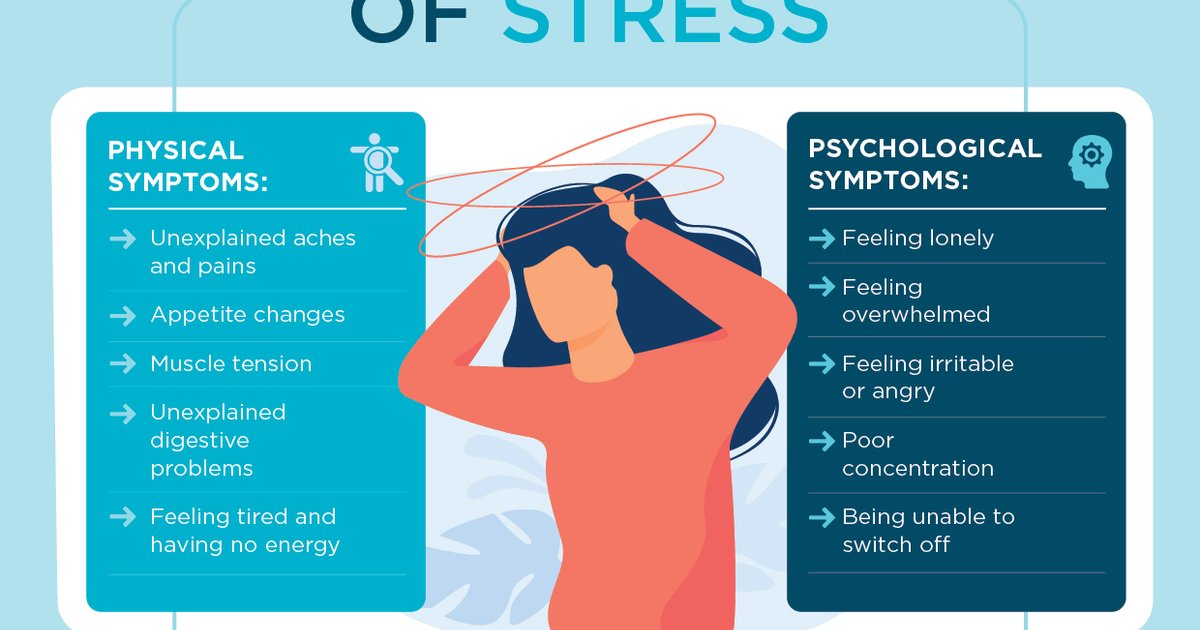
Stress is a psychological and physical condition that appears when a person faces pressure that requires adaptation or response. This pressure can be positive, such as new challenges, or negative, like daily stresses. In either case, recognizing the signs of stress is vital for understanding an individual's mental state.
Body movements and facial expressions are important tools for understanding an individual's feelings, as they reflect thoughts and emotions. By observing a person's behavior, we can read their mental state and understand the level of stress they are experiencing. There are five main signs that indicate stress: finger cracking, crossing arms, nail biting, avoiding eye contact, and body or limb shaking.
Details of the Signs
Finger cracking is a common sign that may indicate stress, as individuals resort to this action as a way to relieve psychological pressure. Meanwhile, crossing arms signifies a person closing off, reflecting feelings of insecurity or anxiety. Nail biting is a behavior that may occur involuntarily during stressful times and is considered a sign of ongoing anxiety.
Avoiding eye contact is another sign of stress, as stressed individuals tend to shy away from looking into others' eyes, which reflects a lack of confidence or fear. Lastly, body or limb shaking can be a sign of physical stress, as the body expresses the state of anxiety the individual is experiencing.
Background & Context
Stress is an integral part of human life and can be influenced by various factors such as work, social relationships, and daily pressures. In our contemporary world, psychological pressures have significantly increased due to rapid changes in social and economic life. Therefore, it is important to learn how to recognize the signs of stress and how to deal with them appropriately.
Understanding the signs of stress is a first step towards improving mental health. This knowledge can help individuals take effective steps to alleviate stress, such as exercising, meditating, or even talking with friends or mental health professionals.
Impact & Consequences
Ignoring the signs of stress can lead to negative consequences for mental and physical health. Continuous stress may result in health issues such as depression, anxiety, and heart diseases. Therefore, it is essential for individuals to be aware of the signs of stress and seek support when needed.
Moreover, stress can affect social relationships, potentially leading to negative behaviors such as isolation or aggression. Thus, it is crucial to learn how to manage stress effectively to maintain healthy and stable relationships.
Regional Significance
In the Arab region, stress levels have increased due to political, economic, and social crises. These pressures significantly affect individuals' mental health, necessitating greater awareness of how to recognize the signs of stress and find effective ways to cope with them.
There should be collective efforts to promote mental health in Arab communities by providing necessary psychological support and health services. Understanding the signs of stress can help individuals improve their quality of life and overcome daily challenges.
In conclusion, recognizing the signs of stress is an important step towards improving mental health. By being aware of these signs, individuals can take effective steps to manage stress and enhance their quality of life.