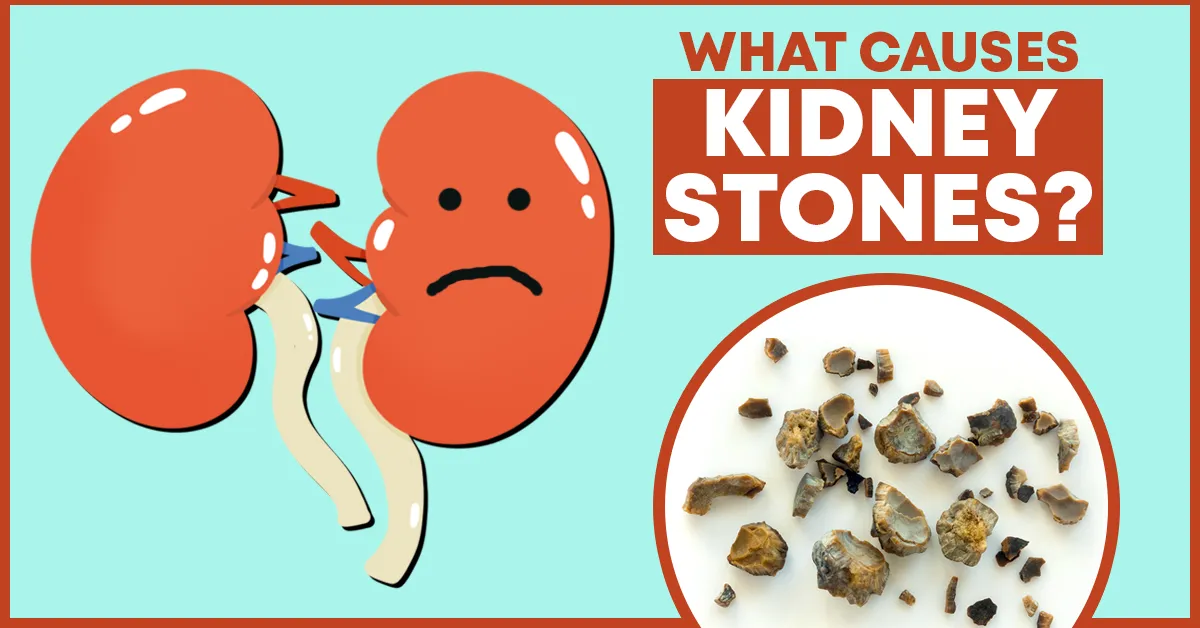
Medical research shows that kidney stones have become a common health issue affecting many individuals, causing severe pain and health complications. Studies have revealed that there are four primary factors that may lead to this condition, one of which is the overconsumption of spinach.
Kidney stones are hard deposits that form inside the kidneys due to the accumulation of minerals and salts. These stones can obstruct the urinary tract, leading to sharp pain and difficulty urinating. Therefore, it is essential to identify the factors that may increase the risk of developing them.
Key Factors Contributing to Kidney Stones
One of the main factors identified is the overconsumption of spinach, which contains a high level of oxalates, compounds that may contribute to the formation of kidney stones. Additionally, other factors include dehydration, which leads to a concentration of minerals in the urine, thereby increasing the likelihood of stone formation.
Moreover, consuming large amounts of animal protein, such as red meat, may increase the risk of kidney stones, as it raises uric acid levels in the body. Lastly, genetic factors play a significant role, as some individuals may have a hereditary predisposition to stone formation.
Background & Context
Kidney stones have been a health issue since ancient times, and their incidence rates have risen in recent years due to lifestyle changes and dietary habits. Statistics indicate that the prevalence of kidney stones has significantly increased in many countries, necessitating preventive measures.
Preventing kidney stones requires following a balanced diet, along with drinking adequate amounts of water. Individuals with a family history of kidney stones should be particularly cautious in their dietary choices.
Impact & Consequences
Kidney stones significantly affect the quality of life, as they can lead to severe pain and other health complications such as urinary tract infections. Additionally, treatment costs can be high, placing a burden on healthcare systems.
Furthermore, this condition may result in lifestyle changes, requiring individuals to modify their diet and avoid certain foods that may increase their risk. This necessitates greater awareness of the importance of proper nutrition.
Regional Significance in the Arab World
In the Arab region, kidney stones are a common health problem, especially in countries experiencing high temperatures and water scarcity. Therefore, raising awareness about the importance of hydration and avoiding foods high in oxalates is essential.
Many health institutions in Arab countries are working to raise awareness about this issue by organizing awareness campaigns and workshops aimed at educating individuals on how to prevent kidney stones.
In conclusion, individuals must be aware of the factors that may lead to kidney stones and take preventive steps to maintain their health. Proper nutrition and attention to overall health are key to avoiding this common health issue.