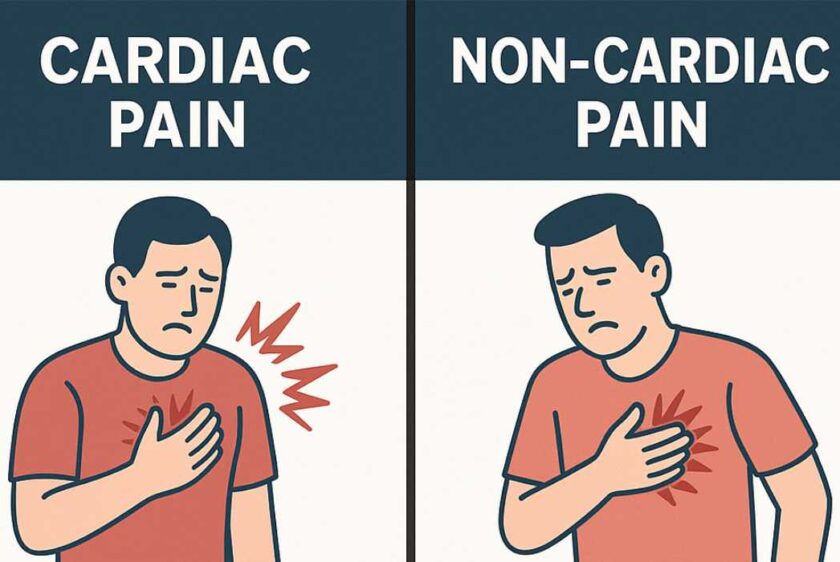
Heart pain is one of the most alarming symptoms that can arise, characterized by several unique features that set it apart from other types of pain. In this article, we explore seven primary characteristics of heart pain and heart attacks.
Firstly, heart pain is often described as a feeling of pressure or heaviness in the chest area, which may radiate to the arms, back, or jaw. This pain is frequently accompanied by other symptoms such as shortness of breath, sweating, and nausea.
Timing and Nature of Heart Pain
Secondly, the timing of the pain is a significant characteristic, as it can occur during periods of rest or physical activity. This contrasts with muscle pain, which typically arises after exertion.
Thirdly, heart pain generally shows a weak response to pain-relieving medications, making it distinct from pain resulting from injuries or stress. This characteristic underscores the necessity of consulting a physician when experiencing this type of pain.
Fourthly, age and genetic factors play a crucial role, as the likelihood of experiencing heart pain increases with age or if there is a family history of heart disease.
Fifthly, feelings of anxiety or stress are common accompanying symptoms of heart pain, as psychological pressure can exacerbate the condition. This connection between mental health and heart pain highlights the importance of taking care of mental well-being as well.
Sixthly, heart pain is more prevalent among men compared to women, although women may experience different symptoms such as fatigue or nausea.
Seventhly, heart pain is considered a sign of a medical emergency, necessitating immediate intervention. Therefore, recognizing these characteristics is vital to avoid potential health risks.
Background & Context
Historically, heart diseases have been among the leading causes of death worldwide. With advancements in medicine, it has become possible to diagnose and treat many of these conditions more effectively.
Factors influencing heart health include diet, physical activity levels, and genetic predispositions. Regular check-ups are recommended to maintain heart health.
Impact & Consequences
Studies indicate that early recognition of heart pain symptoms can significantly impact treatment outcomes. The sooner the problem is addressed, the higher the chances of survival.
Moreover, raising awareness about the symptoms and characteristics of heart pain can contribute to reducing mortality rates associated with heart attacks.
Regional Significance
In the Arab region, the incidence of heart diseases is rising due to unhealthy lifestyles and poor dietary habits. Therefore, it is crucial to promote awareness about the importance of prevention and early diagnosis.
In conclusion, heart pain is a symptom that should never be ignored. Recognizing its characteristics can help save lives and improve quality of life.