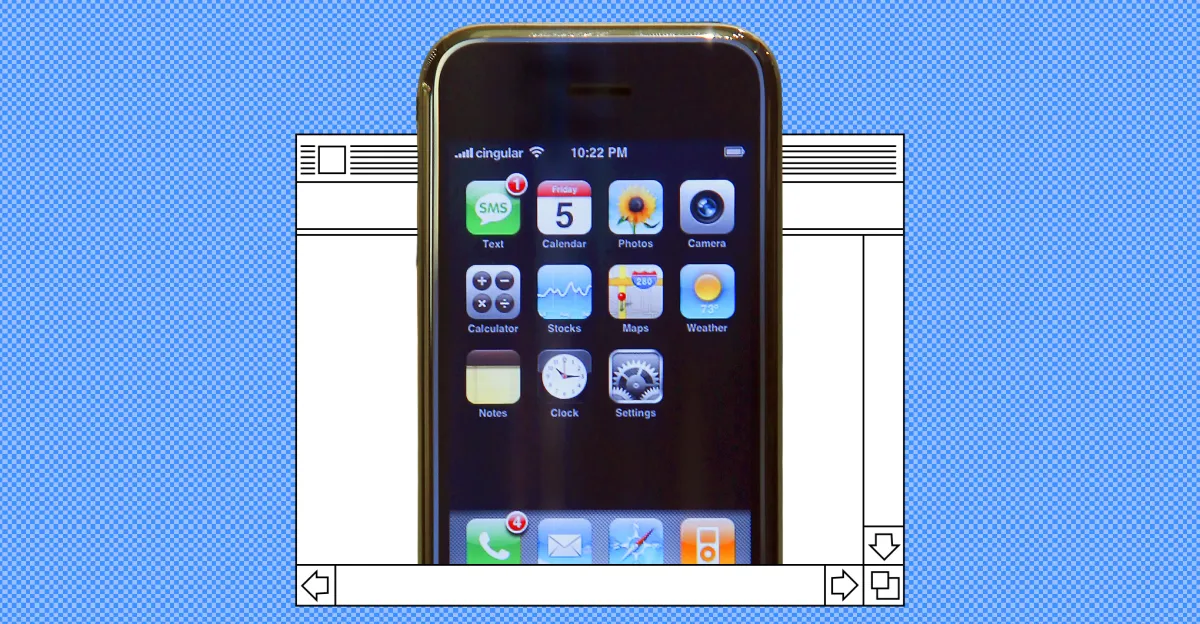
The world celebrates 20 years since the launch of the iPhone, the smartphone that revolutionized the technology landscape. From the moment the iPhone was unveiled, it was clear that it would have a significant impact, but what transpired exceeded many expectations. The iPhone was not just a phone; it became an integral part of our daily lives.
In 2007, Steve Jobs and Jony Ive introduced the iPhone as the first smartphone running on the iOS operating system, marking a turning point in the mobile phone industry. Despite facing numerous technological limitations at the time, Jobs and his team managed to turn these constraints into opportunities, allowing the iPhone to stand out from other devices.
Event Details
When the iPhone was launched, it lacked many essential features that we consider necessary today, such as copy and paste functionality. However, it featured a touchscreen and an innovative user interface, which allowed it to outperform other phones in the market. There was internal competition within Apple regarding whether to build the phone on the iPod platform or the Mac OS, but the choice of the latter had a significant impact on the phone's design.
Although the iPhone initially operated only on the AT&T network, this partnership enabled Apple to provide full support for WiFi and a real web browser, features that were not available in other phones at that time. These innovations were revolutionary in the world of smartphones.
Background & Context
Before the iPhone's emergence, Apple faced fierce competition from companies like Microsoft and IBM, struggling to maintain its market position. However, with the launch of the iPhone, everything changed dramatically. The iPhone became a symbol of innovation, and the company began to achieve unprecedented sales.
The way people used smartphones transformed, as the iPhone became not just a means of communication but a comprehensive platform for interacting with the world. Over the years, the iPhone has become an essential part of modern culture.
Impact & Consequences
The impact of the iPhone extended beyond technology; it influenced culture and politics as well. The smartphone became a tool for disseminating information, altering how people engaged with news and events. Additionally, the rise of social media linked to smartphones contributed to shaping public opinion and changing the political landscape in many countries.
Over time, Apple began to focus on developing its services rather than merely selling phones, leading to a radical shift in the digital economy. Applications and services associated with the iPhone became a primary source of revenue, bolstering the company's market position.
Regional Significance
In the Arab region, the iPhone significantly impacted how people communicate. The smartphone became a key tool for social interaction, strengthening connections between individuals. Moreover, the use of the iPhone in business has become common, helping many companies improve their services and increase efficiency.
In conclusion, the iPhone remains a symbol of change and innovation in the tech world, continuing to influence our daily lives. With each new release, everyone wonders how this device will evolve and what it will offer us in the future.