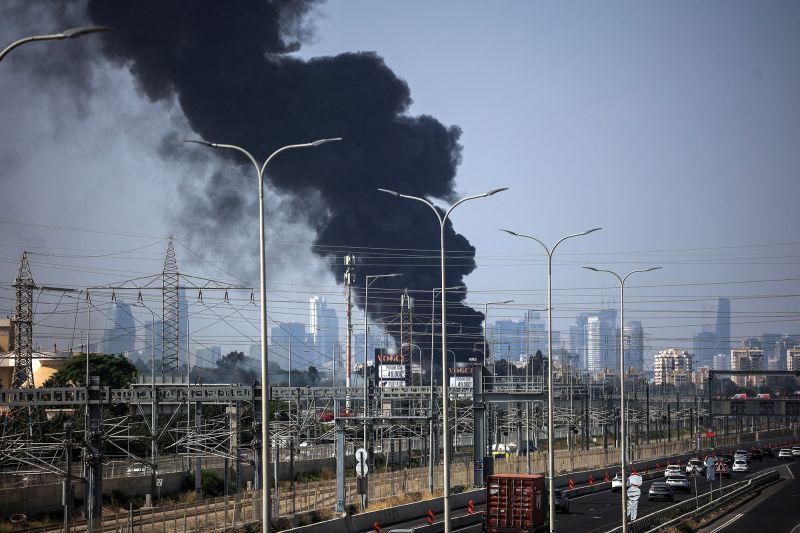
The ongoing Iranian war is causing a silent climate crisis, significantly affecting the environment and threatening regional ecological stability. Reports indicate a notable decline in air and water quality, raising concerns for local populations' health.
Studies indicate that armed conflicts often lead to the destruction of natural resources, a reality currently unfolding in Iran. As fighting continues, agricultural lands are being eroded, and pollution levels in air and water are rising, negatively impacting citizens' daily lives.
Details of the Conflict
The war in Iran has persisted for several years, intertwining political and economic factors with environmental dimensions. Reports have shown that military operations lead to a significant deterioration in air quality, with pollution levels rising sharply. Furthermore, water sources are suffering from contamination due to the use of chemicals in military operations, increasing the risk of waterborne diseases.
These conditions exacerbate health crises, as residents suffer from respiratory issues and skin diseases due to exposure to pollutants. Additionally, the degradation of agricultural lands affects food security, further increasing citizens' suffering amid challenging economic conditions.
Background & Context
Historically, Iran has witnessed numerous armed conflicts that have led to environmental degradation. With rising political tensions, it has become clear that war is not only a humanitarian issue but also an environmental one. Conflicts lead to the destruction of forests, pollution of rivers, and soil degradation, negatively impacting wildlife and agricultural crops.
In recent years, warnings about the war's effects on climate have increased, with studies showing that conflicts lead to higher carbon emissions, contributing to the exacerbation of global warming. This raises questions about how these crises affect international efforts to combat climate change.
Impact & Consequences
The repercussions of the Iranian war extend beyond national borders, affecting neighboring countries. Pollution resulting from the conflict may spread to adjacent nations, threatening the health of their populations. Additionally, environmental crises may lead to mass displacement of people, increasing pressure on countries receiving refugees.
Moreover, environmental degradation in Iran could impact the regional economy, as many countries rely on Iranian natural resources. As crises escalate, trade relations between countries may be jeopardized, complicating the economic situation in the region.
Regional Significance
The Arab region is among the most affected by climate changes, and as crises escalate in Iran, environmental conditions in neighboring countries may worsen. Pollution from the conflict could affect air and water quality in countries like Iraq and Turkey, increasing health risks.
Additionally, armed conflicts in Iran may exacerbate humanitarian crises in the region, potentially increasing the number of displaced persons and refugees, posing an additional challenge for Arab countries in addressing these crises. Therefore, the situation in Iran is not merely a local issue but has far-reaching implications for regional stability.
In conclusion, the international community must take urgent steps to address the environmental crises resulting from armed conflicts. Cooperation among nations is essential to confront climate challenges and ensure a better future for upcoming generations.