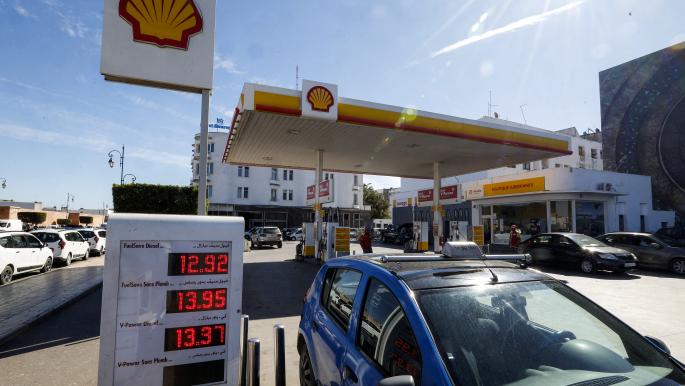
The International Monetary Fund has reported that the ongoing war in the Middle East will negatively impact Morocco's economic growth in the near term, primarily through rising energy prices and declining external demand.
Forecasts indicate that the complex and ongoing conflict in the region will lead to an increase in energy prices, which will place additional pressure on the Moroccan economy, heavily reliant on energy imports. Furthermore, the decline in external demand due to political and economic crises in neighboring countries will adversely affect Moroccan exports.
Details of the Situation
The IMF clarified in its latest report that the Moroccan economy may face significant challenges due to the ongoing developments in the Middle East. It pointed out that rising oil and gas prices due to armed conflicts will lead to increased production and transportation costs, negatively impacting local prices.
The report also noted that Morocco, which seeks to achieve sustainable economic growth, may find itself in a difficult position due to declining external demand, especially from European markets, which are among Morocco's most important trading partners. This decline could impact vital sectors such as tourism and industry.
Background & Context
Historically, the Arab region has witnessed numerous armed conflicts that have affected the economies of neighboring countries. For instance, wars in Syria and Libya have led to significant economic deterioration in those countries, which in turn has impacted the Moroccan economy through reduced trade exchanges and increased political tensions.
Morocco has previously been affected by global economic crises, experiencing a decline in foreign investments due to political unrest in the region. This historical context reflects how conflicts are not only a security challenge but also an economic one.
Impact & Consequences
The repercussions of the war in the Middle East are expected to lead to increased inflation rates in Morocco, as high energy prices will affect the cost of living. Additionally, the decline in external demand may result in reduced job opportunities and increased unemployment rates, negatively impacting social stability.
Moreover, the Moroccan government may be forced to implement austerity measures to cope with these challenges, potentially leading to reduced public spending and affecting developmental projects. Such measures may provoke public discontent and lead to social protests.
Regional Significance
The repercussions of the war in the Middle East are not limited to Morocco but extend to many other Arab countries. As crises escalate, other Arab nations may face similar challenges in economic growth, complicating the economic situation in the region.
The negative economic impact could exacerbate humanitarian conditions in some countries, where many citizens suffer from poverty and unemployment. Therefore, regional stability requires collective efforts to mitigate conflicts and achieve sustainable development.
In conclusion, it is evident that the war in the Middle East is not merely a military conflict but has profound economic repercussions affecting neighboring countries, including Morocco. The current situation demands a swift and effective response from Arab governments to address these challenges and achieve economic and social stability.