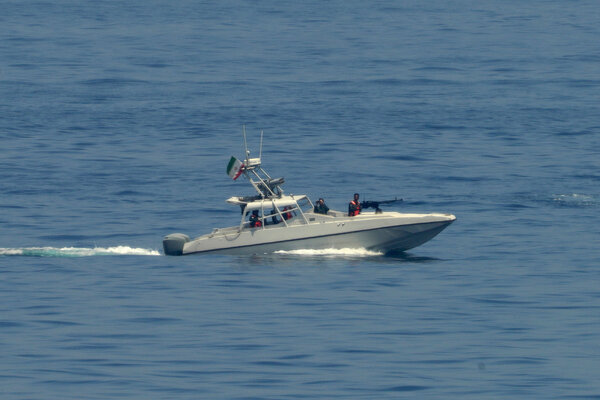
The strategic landscape in the waters of the Strait of Hormuz is shifting following the deployment of robotic kamikaze boats, significantly impacting Iran's naval tactics. This development comes at a sensitive time as tensions in the region escalate, and these boats appear to have contributed to breaking Iran's dominance over the 'swarm' tactics it previously relied upon.
In recent years, Iran has depended on swarm tactics at sea, utilizing a fleet of fast boats to attack commercial or military vessels. However, the introduction of robotic kamikaze boats has changed the game, as this new technology allows for precise attacks without the need for human presence on board.
Details of the Event
Robotic kamikaze boats are part of the technological evolution in naval warfare, characterized by their ability to carry out offensive missions while minimizing risks to crew members. These boats, developed by advanced technology companies, can be equipped with sophisticated weapons, making them a real threat to any vessel in the region.
Reports indicate that these boats have already been used in several operations, resulting in significant damage to Iranian ships themselves, reflecting a weakness in the swarm strategy that Tehran has relied upon. This development also signifies a shift in the balance of power in the region, as this technology could heighten tensions between Iran and neighboring countries.
Background & Context
Historically, the Strait of Hormuz has represented a vital strategic point, through which approximately 20% of the world's oil supplies pass. Iran has long used this strait as a means to exert pressure on Western and Arab nations, prompting it to focus on developing its naval capabilities. However, the new challenges posed by modern technology may undermine its ability to control this area.
In recent years, the region has witnessed escalating tensions between Iran and the United States, in addition to Gulf states. These robotic boats could be part of a new strategy to counter maritime threats, but they may also exacerbate conflict in the region.
Impact & Consequences
With the use of robotic kamikaze boats, the maritime dynamics in the Strait of Hormuz could change drastically. This development may lead to increased tensions between Iran and other countries, as neighboring nations might feel a greater threat from this new technology. Furthermore, the deployment of these boats could encourage a naval arms race in the region, as other countries seek to develop similar technologies to counter these threats.
Moreover, these developments could impact global trade routes, as concerns over maritime attacks may rise, leading to increased oil prices and shipping costs. Such factors could directly affect the global economy, especially given the current economic conditions.
Regional Significance
Considering the potential impact on the Arab region, the rising tensions in the Strait of Hormuz could affect regional security. Arab countries, particularly those reliant on oil, may find themselves in a difficult position if these tensions persist. Any military escalation could have negative repercussions on the Arab economy as a whole.
In conclusion, the use of robotic kamikaze boats represents a significant shift in maritime conflict in the region. As tensions continue, the question remains as to how Arab nations will respond to these new challenges and how they will affect their security and economic strategies.