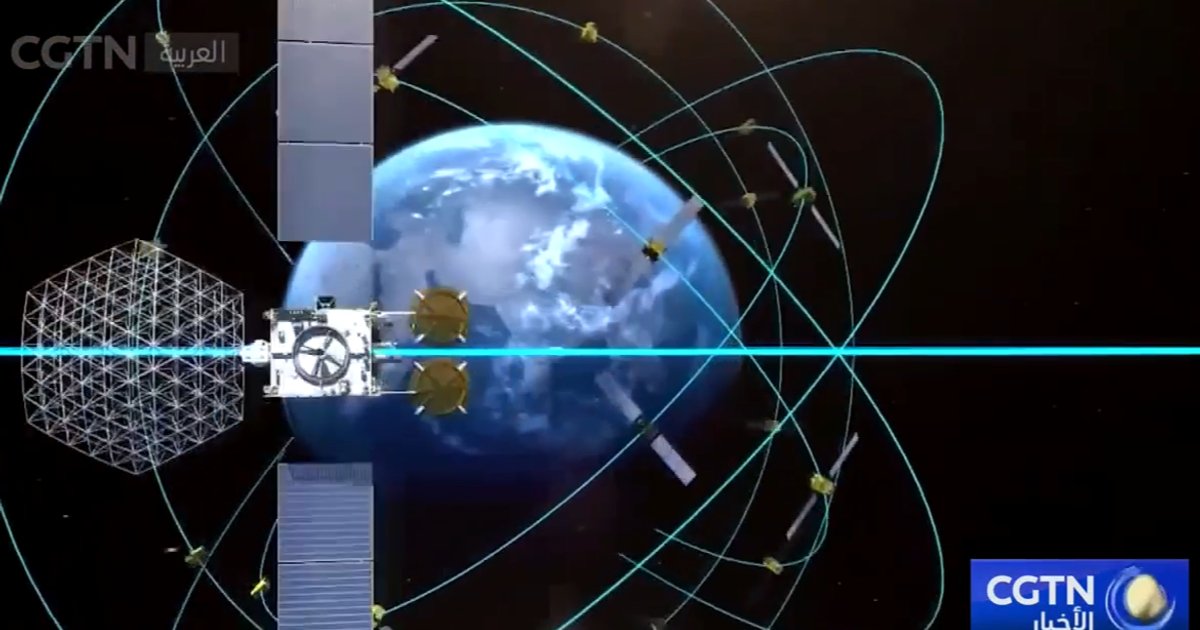
The importance of global positioning satellite systems is rapidly increasing in today's world, no longer limited to smartphones but becoming a vital part of global military strategies. With technological advancements, the navigation data necessary for precise location determination has become integral to both defensive and offensive systems, thus complicating the management of the associated risks.
Estimates suggest that the use of satellites has significantly contributed to the development of precision weapons and command and control systems (C4ISR), enabling faster interaction and response times on the battlefield. Satellite navigation technology is relied upon for monitoring events and accurately identifying targets, particularly in modern military conflicts, highlighting its strategic significance.
The Evolution of Satellite Navigation Systems
Recently, reports indicate that satellite navigation systems have become military targets in their own right, as military operations increasingly aim to disable technologies used by adversaries to diminish their capabilities. This means that warfare is not only dependent on troops and weapons but also on the ability to accurately determine directions and locations. Numerous conflicts have demonstrated how disrupting navigation systems can dramatically impact battle outcomes.
In this context, countries like the United States, Russia, and China have developed integrated satellite systems to ensure complete control over navigation. The U.S. military heavily relies on the Global Positioning System (GPS), while China has developed its own system, known as Baidu, emphasizing the nature of the technological race in this field.
Background & Context
Since World War II, the use of navigational data in military operations has served as a means to accurately direct aircraft and missiles towards their targets. The technological advancements witnessed during the 1990s led to the development of satellite navigation systems that are more precise and sophisticated. Lessons learned from military operations, such as the 2003 invasion of Iraq, which heavily relied on precision navigation, exemplify this progression.
Increasingly, nations recognize the importance of enhancing their capabilities in developing military navigation technologies, impacting their military budgets accordingly. Another arms race has emerged, as each nation seeks to modernize its systems to ensure greater accuracy and effectiveness in the future.
Impact & Consequences
The growing reliance on satellite navigation systems generates serious security challenges, as some nations may resort to launching complex cyber-attacks on these systems to undermine their adversaries' military capabilities. The evolution of offensive capabilities alongside defensive ones in this realm reflects a shift in modern warfare domains, making control over cosmic space essential for achieving dominance in conflicts.
The hidden facets of warfare manifest through targeting opponents in space, underscoring how control over information and navigation has become a strategic objective in itself. This raises questions about how to protect these systems and highlights the need to strengthen legal and international frameworks regulating the use of navigation technologies.
Regional Significance
In the Arab world, the challenges extend beyond military concerns to economic and social dimensions. Technological advancements in navigation leadership can play a crucial role in developing smart infrastructure and essential services, such as transport and logistics.
However, Arab nations must remain cautious of relying entirely on this technology, especially given the changing geopolitical conditions. There is a pressing need to enhance Arab nations’ capabilities concerning cyber security and space to ensure that the lack of control over navigation data is not exploited against them.
In conclusion, the advancement of satellite navigation systems is not merely a new technology but part of a rapidly escalating strategic struggle among nations. This necessitates an increased awareness among countries, especially in the Middle East, regarding how to protect and manage these modern technologies.