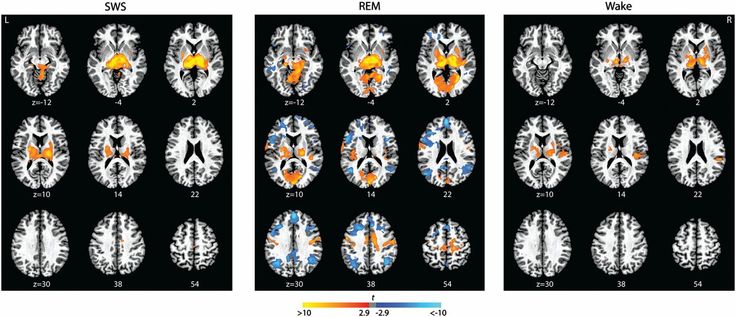
A new study has unveiled that both sleep and age have deep impacts on brain activity, emphasizing the importance of good sleep in preserving mental health and cognitive abilities. Research indicates that sleep patterns change with age, directly affecting mental performance.
There is increasing evidence that quality sleep can enhance memory and concentration, while lack of sleep can lead to cognitive decline. The study found that individuals who get sufficient sleep exhibit better cognitive abilities compared to those suffering from insomnia or sleep deprivation.
Study Details and Findings
The study was conducted on a diverse group of participants across various age ranges, assessing their sleep patterns and mental performance. Researchers discovered that deep sleep, which typically occurs during the third stage of the sleep cycle, plays a crucial role in enhancing memory and learning. Results showed that older adults tend to spend less time in this sleep stage, which may explain their cognitive decline.
Furthermore, the study indicated that environmental factors such as stress and anxiety can negatively impact sleep quality, complicating the relationship between sleep and age. Researchers noted that improving sleep quality could be an effective means to address mental challenges associated with aging.
Background & Context
Sleep issues are a common health concern worldwide, with many individuals suffering from insomnia or other sleep disorders. In recent years, research on the impact of sleep on mental health has increased, leading to greater awareness of the importance of quality sleep. Previous studies have shown that good sleep can reduce the risk of diseases such as Alzheimer’s and depression.
These findings necessitate further research to understand how to improve sleep quality among individuals, particularly the elderly. There is also a need to develop effective strategies to promote good sleep as part of public health care.
Impact & Consequences
These findings are significant not only for individuals but also for health systems. If awareness of the importance of good sleep is enhanced, it could lead to improved public health and reduced healthcare costs associated with mental illnesses. Additionally, these results could contribute to the development of intervention programs aimed at improving sleep quality among populations more susceptible to sleep issues.
Moreover, these findings may lead to changes in how we understand the relationship between sleep and mental health, potentially opening new avenues for research in this field. It may also be essential to increase focus on the environmental and social factors that affect sleep.
Regional Significance
In the Arab region, sleep and mental health issues are topics that require more attention. Many individuals face daily life stresses that affect their sleep quality. This study could help raise awareness of the importance of good sleep as part of a healthy lifestyle.
By improving sleep quality, cognitive performance and abilities can enhance, benefiting individuals and society as a whole. Therefore, it is crucial for Arab countries to adopt strategies to promote awareness of the importance of good sleep and develop programs that support mental health.