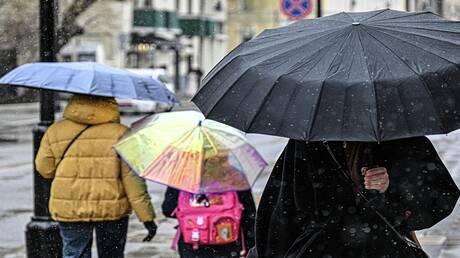
Sudden changes in weather are significant factors affecting human health. Dr. Andrei Kondrakhin, a specialist in internal medicine and cardiology, notes that these changes can worsen chronic diseases, negatively impacting individuals' quality of life.
Climate fluctuations lead to increased feelings of fatigue and decreased physical and mental performance, affecting individuals' ability to carry out their daily activities normally. Studies have shown that people suffering from chronic illnesses such as diabetes and hypertension are the most affected by these changes.
Details of the Event
Reports indicate that sudden changes in temperature, whether increases or decreases, place additional stress on the body. For instance, individuals may experience heart attacks or exacerbations of asthma during certain seasons when humidity and temperature levels change abruptly.
Moreover, weather changes also impact individuals' mental health, potentially leading to feelings of depression and anxiety, complicating the health situation for those with pre-existing mental health issues.
Background & Context
Global concerns about the impact of climate change on public health are rising, as studies have proven that climate changes lead to the spread of both infectious and non-communicable diseases. In this context, sudden weather changes are one of the factors that must be considered when studying the impact of climate on health.
Historically, many regions around the world have experienced severe climate changes that led to health crises, necessitating preventive measures to mitigate these effects. Understanding the relationship between climate and human health is vital for facing future challenges.
Impact & Consequences
Climate changes require a swift response from governments and health authorities, necessitating the development of strategies to adapt to these changes. These strategies include improving healthcare and providing necessary awareness to citizens on how to protect themselves from the effects of weather changes.
There is also an urgent need to research how these changes affect vulnerable groups, such as the elderly and children, who may be more susceptible to health risks associated with climate changes.
Regional Significance
The Arab region faces significant challenges due to climate changes, as it is one of the most affected areas by rising temperatures and changing rainfall patterns. These changes may lead to an increase in the prevalence of chronic diseases, placing additional pressure on healthcare systems in Arab countries.
It is crucial for Arab countries to collaborate in sharing knowledge and experiences to address these challenges, as joint efforts can contribute to improving public health and reducing health risks arising from climate changes.
In conclusion, the current situation requires greater awareness from individuals and communities regarding the impact of climate changes on health. We must be prepared to face these challenges by taking effective steps to protect our health and the health of future generations.