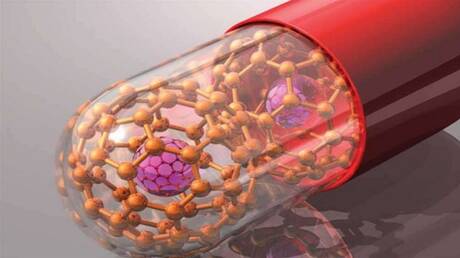
Scientists from Saint Petersburg State University have developed innovative nanoparticles aimed at delivering medications to the human body slowly and in controlled doses, which helps reduce side effects. This technology represents a significant step toward improving the effectiveness of medical treatments, as it allows for better control over how and when drugs are delivered to targeted tissues.
The developed nanoparticles are characterized by their ability to degrade slowly within the body, allowing for a continuous release of the drug over a longer period. This method could have a significant impact on how chronic diseases, such as diabetes and heart diseases, are treated, as these conditions typically require frequent doses of medications.
Event Details
This technology is part of advanced research in the field of nanotechnology, which aims to improve current treatment methods. Researchers have indicated that these nanoparticles can be modified to suit different types of medications, making them flexible and applicable in various fields.
Initial results from this research suggest that using these nanoparticles can reduce the side effects of medications, as doses are delivered precisely, minimizing the risk of overdose or negative effects on healthy tissues.
Background & Context
Nanotechnology is considered a modern research field that has seen remarkable development in recent years. It has been utilized in various domains, including medicine, where many academic and health institutions seek to exploit this technology to enhance medical treatments.
The growing interest in nanotechnology in Russia reflects a global trend toward innovation in health. Russia aims to strengthen its position in this field by investing more resources in research and development, which could contribute to improving the quality of healthcare in the country.
Impact & Consequences
If this technology is widely adopted, it could lead to radical changes in how diseases are treated. This could improve treatment outcomes and reduce healthcare costs, as the need for traditional medications that require frequent doses may decrease.
The impact of this technology may also extend to the pharmaceutical industries, as it could open doors for the development of new drugs based on these nanoparticles, thereby enhancing innovation in this sector.
Regional Significance
These developments in nanotechnology are particularly significant for the Arab region, where many countries face challenges in healthcare. This technology could enhance the effectiveness of available treatments, positively reflecting on the health of citizens.
Moreover, collaboration between Arab countries and Russia in the field of medical research could lead to knowledge and experience exchange, strengthening the region's ability to address future health challenges.
In conclusion, advancements in nanotechnology represent a significant opportunity to improve healthcare, and the nanoparticles developed in Russia exemplify the innovation that can make a real difference in patients' lives.