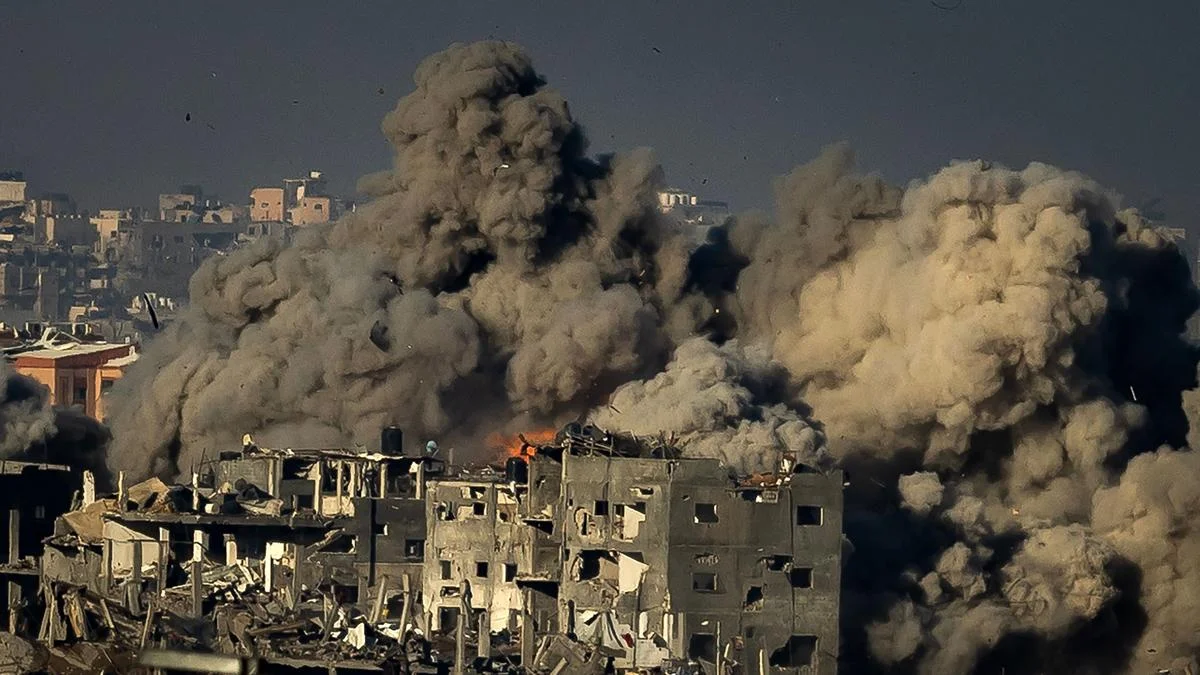
The energy sector in many countries is under increasing pressure due to armed conflicts, raising questions about the ability of these nations to secure their basic needs. Under these circumstances, official media faces significant challenges in providing accurate and reliable information to the public.
Energy is a vital element that directly affects the lives of citizens, with fuel and electricity prices heavily influenced by political and military conflicts. As conflicts continue in the region, the pressure on governments to provide energy for their citizens increases, negatively impacting social and economic stability.
Event Details
Reports indicate that many Arab countries are experiencing a severe shortage of energy supplies, leading to rising prices and increased burdens on citizens. At the same time, governments are facing mounting pressure from citizens demanding improvements in basic services.
In this context, the role of official media emerges as a means to convey the facts and challenges faced by nations. However, there are questions about the ability of these media outlets to present an objective picture of the crises, especially under government censorship and political pressures.
Context and Background
Historically, the Arab region has witnessed numerous armed conflicts that have impacted the energy sector. From the conflicts in Iraq and Syria to the disputes in Libya and Yemen, there have been significant effects on energy infrastructure. These conflicts have not only affected supplies but have also led to the destruction of vital facilities.
Energy is one of the main factors determining political and economic stability in countries. Therefore, any disruption in this sector can lead to widespread repercussions, including rising unemployment rates and increased poverty.
Consequences and Impact
The repercussions of crises in the energy sector transcend national borders, affecting relationships between countries. For instance, crises in energy supplies can lead to tensions between producing and consuming nations, exacerbating conflicts.
Moreover, official media facing challenges in conveying the facts can contribute to worsening crises. If the media fails to provide an accurate picture of the situation, it may lead to a loss of trust between the government and citizens, increasing social discontent.
Impact on the Arab Region
Crises in the energy sector are among the pressing issues facing Arab countries. With increasing economic and social pressures, it becomes essential for governments to adopt effective strategies to ensure the stability of energy supplies.
At the same time, official media must play a more effective role in educating citizens about the challenges facing the country. By providing accurate and objective information, the media can help foster trust between the government and citizens, contributing to stability.
In conclusion, the crises in the energy sector represent a significant challenge for Arab countries, requiring concerted efforts between governments, media, and citizens to overcome these challenges.