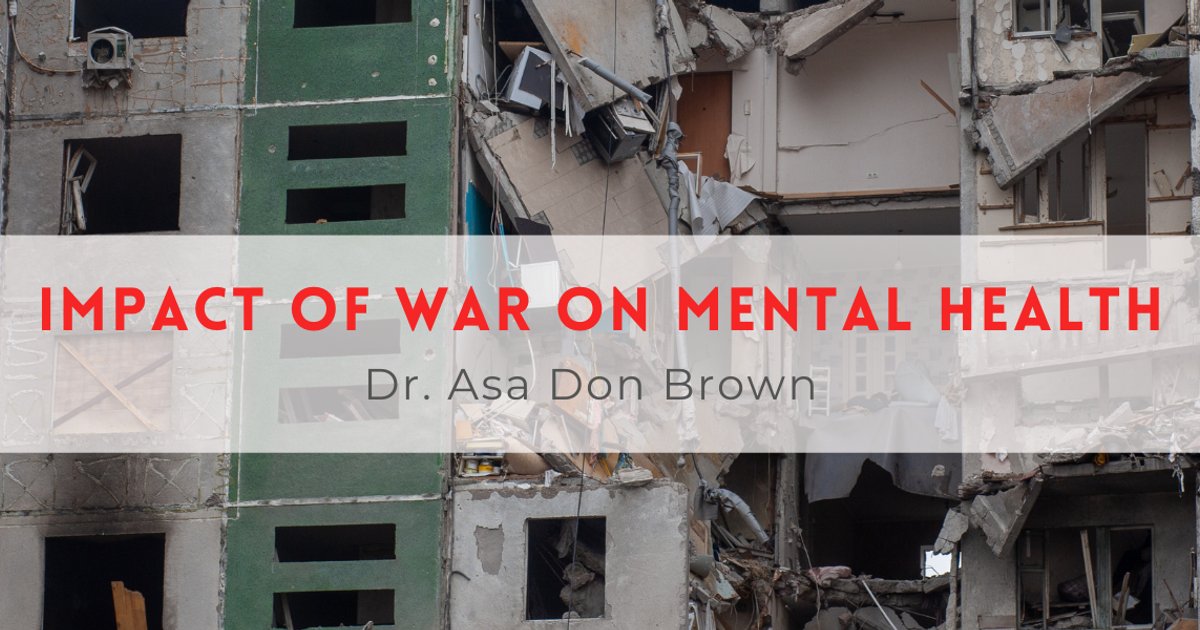
Wars are among the most impactful events on the mental health of individuals, leaving deep scars that extend long after conflicts have ended. In the face of recurring crises, many face psychological challenges that require special attention from governments and humanitarian organizations.
Reports indicate that individuals living in conflict zones suffer from elevated levels of depression and anxiety, significantly affecting their mental health due to their surrounding conditions. Children, in particular, are the most vulnerable to these effects, as their normal lives are disrupted and their dreams are threatened.
Details of the Event
Studies show that a significant percentage of populations in war-affected areas suffer from psychological disorders, such as Post-Traumatic Stress Disorder (PTSD) and chronic anxiety. According to the World Health Organization, approximately 20% of people living in conflict zones experience mental health disorders, highlighting the urgent need for psychological support.
The psychological effects of war also include an increase in cases of suicide and domestic violence, as individuals find themselves unable to cope with the psychological pressures resulting from conflict. Research has shown a close relationship between armed conflicts and rising rates of violence in communities.
Background & Context
Historically, many Arab countries have witnessed wars and armed conflicts, leading to widespread psychological crises among citizens. For instance, the conflicts in Syria and Yemen have resulted in large numbers of displaced persons and refugees suffering from devastating psychological effects.
These psychological crises are part of the larger challenges facing affected communities, requiring a comprehensive response from governments and the international community. Effective strategies are needed to address these crises, including the provision of mental health services and social support.
Impact & Consequences
The psychological crises resulting from wars affect all aspects of life, including education, work, and social relationships. Individuals suffering from mental health issues may find it difficult to integrate into society, exacerbating economic and social conditions.
Moreover, failing to address these psychological issues can lead to an increase in violence and crime in communities, complicating the security situation further. Therefore, investing in mental health is considered vital for achieving stability and sustainable development.
Regional Significance
Mental health is an urgent issue in many Arab countries suffering from conflicts. The current situation requires a coordinated response from governments and non-governmental organizations to provide psychological support to affected individuals.
In this context, priority should be given to developing effective psychological support programs, including awareness and education about mental health, as well as providing treatment and psychological support services. Enhancing mental health is considered a fundamental part of rebuilding communities affected by wars.
The impact of wars on mental health is a complex issue that requires urgent attention. It is essential for all stakeholders to collaborate in providing the necessary support to affected individuals to ensure a better future for impacted communities.