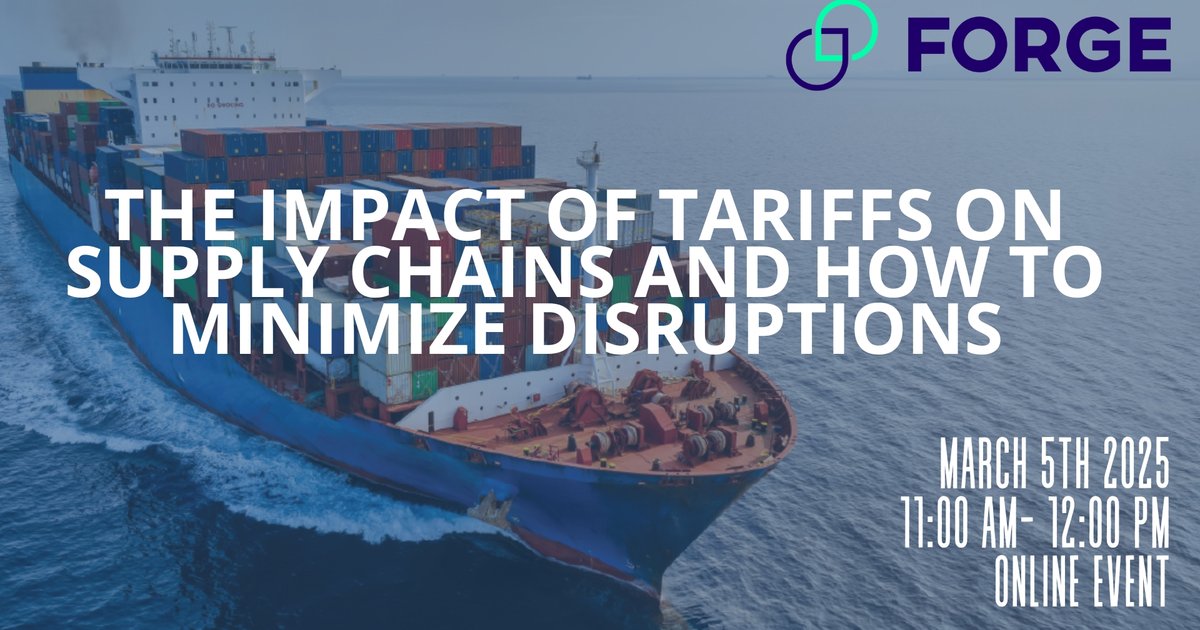
Increasing challenges are confronting global supply chains amid escalating wars and economic conflicts, adversely impacting shipping movements and goods distribution. Reports indicate that these crises lead to rising shipping costs and delays in goods delivery, affecting markets and increasing inflationary pressures.
In recent years, many regions around the world have witnessed a surge in armed conflicts, disrupting supply chains. For instance, the conflict in Ukraine has significantly affected grain and energy supplies, while conflicts in the Middle East have led to fluctuations in oil and gas prices.
Event Details
Data indicates that wars cause disruptions in trade routes, making it more difficult to transport essential goods. Additionally, the economic sanctions imposed on the concerned countries complicate the shipping process, as companies face challenges in dealing with global banks and transferring funds. In this context, reports show that shipping costs have risen by up to 30% in some conflict-affected areas.
Moreover, the impact of wars is not limited to the warring nations but extends to neighboring countries and those reliant on these supply chains. For example, European countries that depend on Russian gas face significant challenges in securing their energy needs.
Background & Context
Historically, wars have had a profound impact on the global economy, leading to radical changes in trade and supply patterns. Over the decades, the world has witnessed numerous conflicts that altered economic power balances, such as World War II and the wars in the Middle East. With the rise of globalization, the impact of these conflicts has become more evident, as the economies of nations are intertwined like never before.
In recent years, with the emergence of the COVID-19 pandemic, pressures on supply chains have increased. Current wars have added further complexity, making it essential to reassess global shipping and supply strategies.
Impact & Consequences
The repercussions of wars on supply chains are manifold, leading to rising prices and slowing economic growth. Companies relying on global supply chains find themselves compelled to adjust their strategies, which may result in losing some markets or increasing prices for consumers.
These crises also affect foreign investments, as companies hesitate to inject funds into conflict zones. This situation leads to a decline in economic growth in affected countries, increasing unemployment rates and impacting living standards.
Regional Significance
The Arab region is among the most affected areas by conflicts and wars, with many countries suffering from ongoing disputes. These crises directly impact supply chains, making it more difficult to obtain essential goods and leading to price increases.
Furthermore, Arab countries that rely on imports find themselves in a difficult position, as wars cause fluctuations in the prices of essential goods such as food and fuel. This situation requires governments to take urgent measures to ensure market stability and protect consumers.
In conclusion, the impact of wars on supply chains and shipping represents a significant challenge for the global economy, necessitating international cooperation to address it. Countries must work to enhance market stability and develop new strategies to cope with these escalating crises.