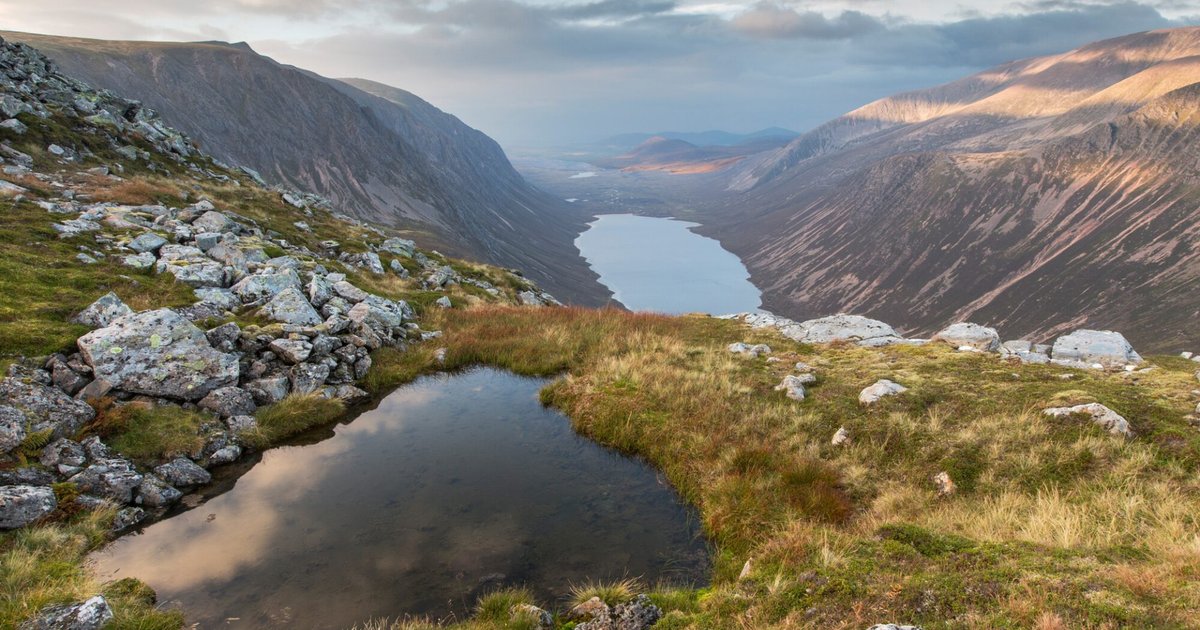
The Scottish government has announced a ban on lighting fires and barbecues in the Cairngorms National Park, which is considered the largest in the UK, as part of its efforts to mitigate the risks of wildfires. This decision, adopted last autumn, will be enforced until September 30 each year, with fines of up to £500 for violators.
This ban comes after significant damage occurred in the park last summer, which was described by owners as the largest wildfire in Scotland's history. Officials from the Cairngorms National Park Authority indicated that this decision followed extensive public consultation, reflecting the importance of environmental protection.
Details of the Ban
The Cairngorms National Park covers an area of approximately 1,748 square miles (4,527 square kilometers), encompassing parts of five local authorities: Aberdeenshire, Angus, Highland, Moray, and Perth and Kinross. About 18,000 people live in the park, which attracts around two million visitors annually.
The Cairngorms National Park Authority is working in collaboration with Police Scotland and the Scottish Fire and Rescue Service to strictly enforce this ban, utilizing leaflets, social media messages, and signs to inform visitors about this decision. Fixed penalty notices will also be issued to offenders.
Background & Context
The risks of wildfires in Scotland have increased in recent years, partly due to climate change. Officials have noted that extreme weather conditions have become more common, raising the likelihood of wildfires. In 2020, the park experienced several incidents that caused environmental damage, including irresponsible parties leaving behind waste and fires.
Wildfires in Scotland are an escalating problem, causing widespread damage to the environment and property. Reports have shown that wildfires in mountainous areas can affect vast expanses, necessitating rapid responses from emergency services.
Impact & Consequences
This ban is considered an important step towards protecting the environment and preserving biodiversity in the region. Wildfires not only affect wildlife but also threaten local communities and property. Chief Robert Lennox stated that wildfires pose a real threat to people, property, and nature, necessitating preventive measures.
The Scottish government aims through this decision to enhance environmental awareness among visitors and residents, potentially contributing to a reduction in future incidents. Additionally, this decision may pave the way for more environmental policies aimed at protecting natural resources.
Regional Significance
While this news may seem relevant only to Scotland, environmental issues such as wildfires represent a global challenge. In the Arab region, many countries face similar challenges due to climate change, necessitating similar preventive measures. The Scottish experiences can serve as inspiration for Arab nations on how to address environmental risks.
In conclusion, this decision represents a positive step towards environmental protection and reflects the importance of collaboration between local authorities and the community to preserve natural resources for future generations.