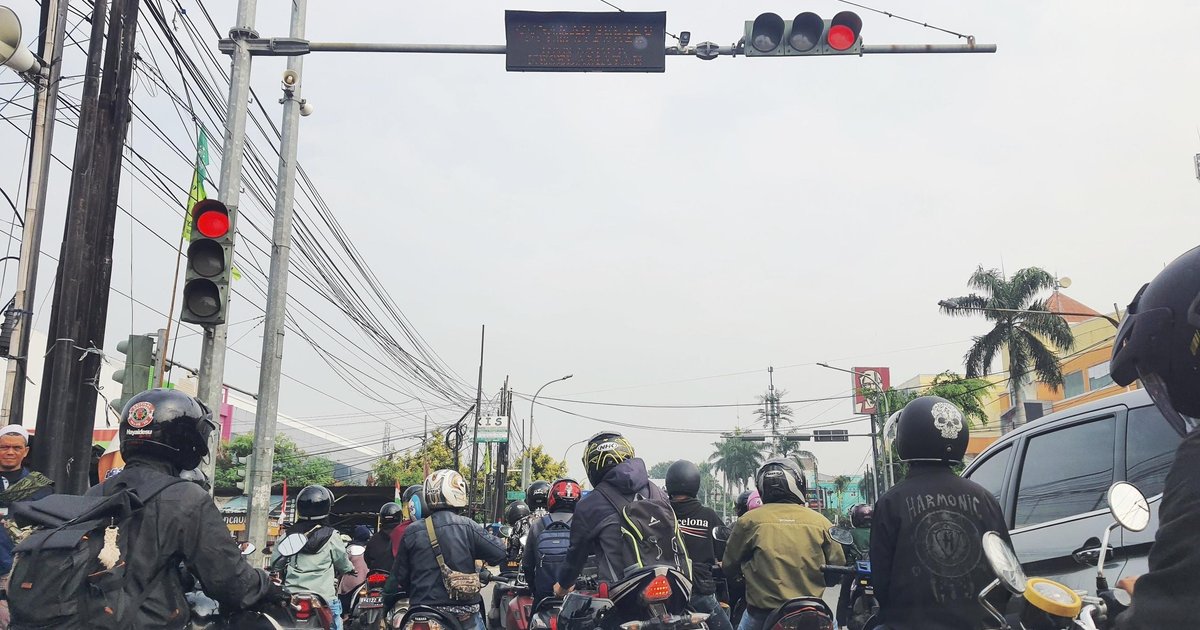
The Indonesian traffic police (Korlantas Polri) announced the possibility of implementing a one-way traffic system on major roads, specifically from kilometer 414 to kilometer 70 on the Trans Java road, should there be a noticeable increase in traffic during the holiday return period. This announcement was made by the head of traffic police, Irjen Pol Agus Suriyono, during a press conference in the Karawang Barat area.
Agus explained that authorities will monitor the number of vehicles heading to the capital, Jakarta, indicating that the one-way traffic system could be applied in different phases, depending on the volume of traffic increase. He emphasized that the goal of these measures is to facilitate the return journey for travelers and ensure their safety during their trip.
Details of the Event
On Friday, March 27, 2026, traffic police observed stable traffic conditions, prompting them to focus on enforcing laws related to heavy truck movement. Strict measures were taken against three-axle trucks that violated transportation restrictions. Agus confirmed that these actions are part of directives from the national police chief to ensure traveler safety.
A local one-way traffic system was previously implemented, covering the first phase from kilometer 132 on the Cipali road to kilometer 70 on the Cikampek Utama road. This system has been in effect since Friday morning, significantly improving traffic flow.
Background & Context
Indonesia is one of the largest countries in Southeast Asia, experiencing heavy traffic, especially during holiday periods and national events. The number of vehicles in the country is continuously increasing, putting pressure on road infrastructure. In recent years, there has been a rise in traffic accidents, prompting authorities to take stricter measures to ensure citizen safety.
Historically, Indonesia has faced significant challenges in managing traffic, particularly in major cities like Jakarta. With a growing population and increased use of private vehicles, it has become essential to develop effective strategies to address these challenges.
Impact & Consequences
These measures are seen as a positive step towards improving traffic flow and reducing accidents. It is expected that these actions will help alleviate traffic congestion, especially during peak periods. Additionally, the implementation of a one-way traffic system may reduce travel time, enhancing the travel experience for commuters.
However, authorities may face challenges in enforcing these measures, particularly with some drivers not adhering to traffic laws. Therefore, it is crucial for all stakeholders to collaborate to ensure the success of these traffic plans.
Regional Significance
Many Arab countries share similar challenges regarding traffic management, especially during holidays and events. Arab nations can benefit from Indonesia's experiences in traffic management by adopting flexible and effective traffic systems that contribute to improved road safety.
In conclusion, traffic management remains a vital issue that requires innovative strategies and collaboration between authorities and citizens to ensure everyone's safety.