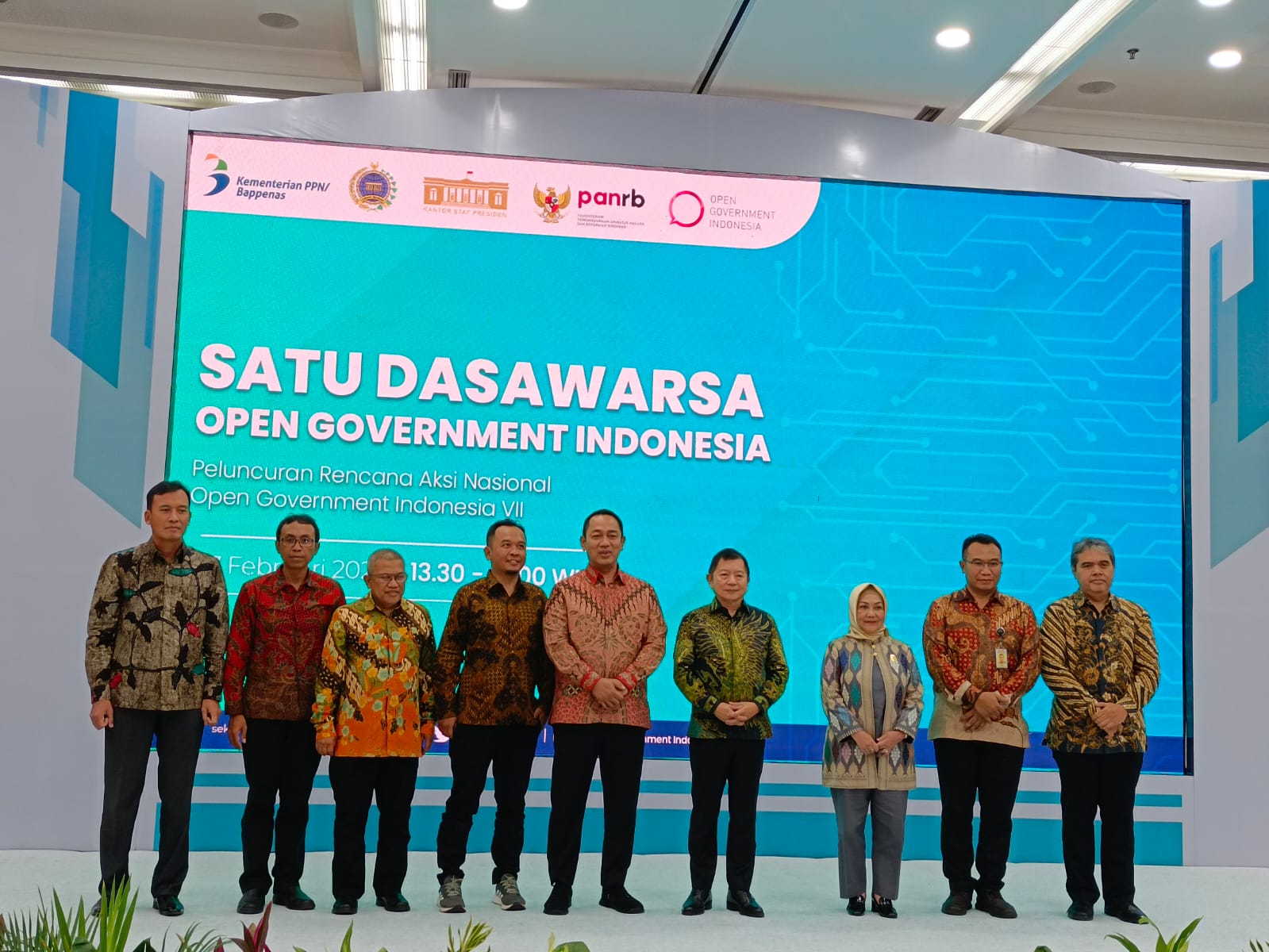
The Indonesian government has announced the implementation of a Work From Home (WFH) system for civil servants, known as state apparatus, on Wednesday instead of Friday as previously practiced. This decision is part of the government's efforts to enhance productivity and reduce energy consumption, marking a significant shift in work culture in Indonesia.
On Wednesday morning, the city of Surabaya witnessed normal activity, with government employees preparing to carry out their duties, while traffic began to increase at some strategic points. However, this day represents a new beginning in how government work is managed in Indonesia, responding to community desires expressed through social media.
Details of the Initiative
Research conducted by the Indonesian Communication Alumni Association shows that the majority of citizens reject the idea of working from home on Friday, as they believe it could lead to an unofficial extension of the holiday period. Therefore, Wednesday was chosen as the best option, contributing to a balance between workdays and holidays.
The government aims to improve the quality of public services through this decision, as direct service employees such as those in health, education, and public administration will remain in their offices to ensure effective services for citizens. Local officials have confirmed that this system will not negatively impact the quality of services provided.
Background & Context
Historically, Indonesia has witnessed numerous changes in labor policies, especially after the COVID-19 pandemic, which forced many countries to rethink how work is managed. This pandemic accelerated the shift towards remote work, prompting governments to seek innovative solutions to improve the work environment.
In recent years, the use of social media has become an effective tool for citizens to express their opinions, pushing the government to consider these views when making decisions. This reflects a shift in how the government interacts with the community, where public opinions play a significant role in shaping policies.
Impact & Consequences
This step is seen as a new experiment in managing government work, aiming to achieve a balance between productivity and employee comfort. This policy is expected to reduce energy consumption, as traffic on the streets will decrease, contributing to lower carbon emissions.
Additionally, working from home on Wednesday may help alleviate pressure on public transportation, facilitating citizen movement and enhancing quality of life. However, this system requires careful monitoring to ensure it does not negatively affect the quality of services provided to citizens.
Regional Significance
Indonesia's experience in implementing a Work From Home system on Wednesday serves as a model that Arab countries could benefit from. Many Arab nations face similar challenges in managing government work and improving service quality. This step could be an opportunity to develop flexible work policies that align with community needs.
In light of economic and social changes, there may be an urgent need to adopt new work models that enhance productivity and reduce employee pressure. Learning from global experiences can contribute to improving the work environment in Arab countries and promoting sustainable development.